

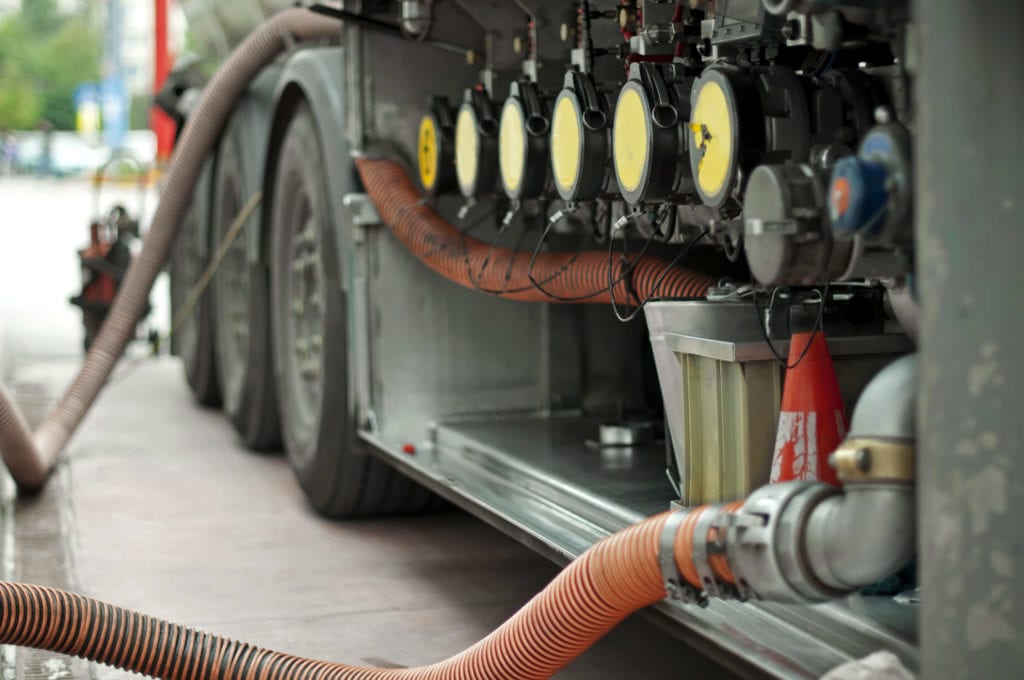
In fuel industry terminology, a drop refers to the act of delivering motor fuel from a tanker vehicle into a storage tank. This typically occurs at service stations or fuel depots where underground tanks supply fuel to dispensing systems.
The term is commonly used by drivers, terminal operators, and fuel managers to describe a completed delivery event rather than the method or equipment itself.
How a Fuel Drop Takes Place
Fuel delivery occurs when a tanker connects to a designated fill point and transfers product into a storage tank. The movement of fuel may be assisted by pumping systems or rely on gravity, depending on site design and equipment.
Once the transfer is complete, the storage tank holds the fuel until it is distributed through dispensers or other downstream systems.
Why Drops Matter in Fuel Management
Each delivery must be carefully monitored to ensure accuracy, safety, and environmental compliance. Improper procedures can lead to spills, contamination, or overfilling, all of which carry operational and regulatory risks.
Clear communication between drivers and facility operators helps ensure that the correct product is delivered to the proper tank.
Safety and Operational Considerations
Fuel deliveries involve flammable materials, making attention to safety essential. Facilities often rely on established procedures, trained personnel, and containment measures to reduce risk during transfer activities.
Documentation and tracking of deliveries also play a key role in inventory control and regulatory reporting.
No. A drop refers to delivery into a storage tank, while dispensing is the transfer from storage to vehicles or equipment.
Not always. Fuel may be transferred using pumping systems or gravity, depending on site configuration.
They typically take place at gas stations, fuel terminals, and other facilities with storage tanks.
The tanker driver performs the transfer, but facility operators often oversee or monitor the process.
Accurate records help track inventory levels, verify deliveries, and support compliance requirements.