


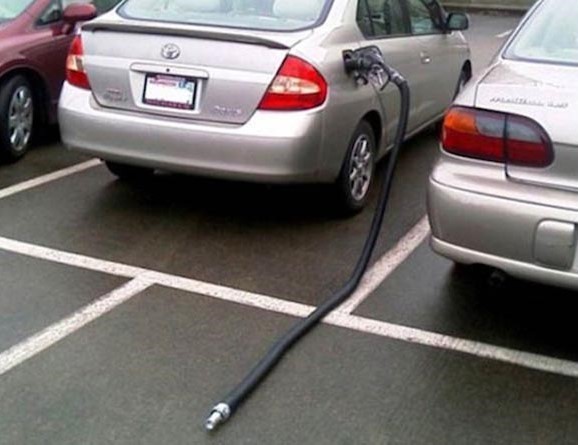
A drive off occurs when a vehicle leaves a fueling station while the nozzle is still connected to the tank. This incident can cause damage to fueling equipment, create safety hazards, and lead to costly repairs and insurance claims.
In fuel handling environments, safety systems such as grounding and monitoring solutions and properly designed loading platforms help reduce the risk of accidents like a drive off. These systems ensure controlled operations and improve overall site safety.
How a Drive Off Happens
A drive off typically occurs due to human error or lack of attention during fueling operations.
Common Causes:
- Driver forgets to remove the fuel nozzle
- Distraction during fueling
- Poor visibility or unclear procedures
- Lack of safety reminders or monitoring systems
- High-traffic fueling environments
Such incidents are more likely in busy operations where systems like truck loading solutions are used frequently.
Applications
A drive off situation is most commonly seen in:
- Gas stations
- Fuel distribution terminals
- Industrial fueling facilities
- Truck loading and unloading areas
- Fleet fueling operations
These environments often use safety equipment such as loading arms and couplings and access systems like truck gangways to improve operational safety.
Risks and Impact
A drive off can result in several serious consequences:
- Damage to fuel pumps and hoses
- Fuel spills and environmental hazards
- Fire and explosion risks
- Operational downtime
- Costly repair and insurance claims
To reduce these risks, facilities often install spill containment systems and safety barriers to control accidental releases.
Prevention and Safety Measures
Preventing a drive off requires proper procedures and safety systems.
Key Measures:
- Clear fueling procedures and training
- Use of automatic shut-off nozzles
- Installation of monitoring systems
- Regular equipment inspection
- Proper site design and layout
Worker safety is further enhanced with systems like fall protection equipment and controlled access solutions such as safety gates.
Insurance and Liability
In most cases, a drive off is consider driver negligence. The responsible party is typically require to cover the damages through their auto insurance.
- Damage is assess by insurance providers
- Claims are process based on liability policies
- Fuel stations may file claims against the driver
- Settlement follows standard insurance procedures
A drive off occurs when a driver leaves a fueling station with the nozzle still attached to the vehicle.
It can cause equipment damage, fuel spills, and potential fire hazards.
Usually, the driver is responsible for damages cause by negligence.
They can be prevent through training, safety systems, and proper fueling procedures.