


Downstream operation is a term used in the petroleum and energy industry to describe all processes that occur after crude oil has been extracted from the ground. These operations focus on refining, processing, transporting, and selling petroleum products to end users.
In simple terms, any process applied to crude oil after production is considered a downstream operation.
What Is a Downstream Operation?
A downstream operation includes all activities that convert crude oil into usable products such as gasoline, diesel, jet fuel, lubricants, and petrochemicals. These products are then distributed to businesses, industries, and consumers.
Downstream operations work closely with distribution systems to ensure refined products move safely and efficiently from refineries to the market.
Key Downstream Facilities
Downstream operations typically take place in the following facilities:
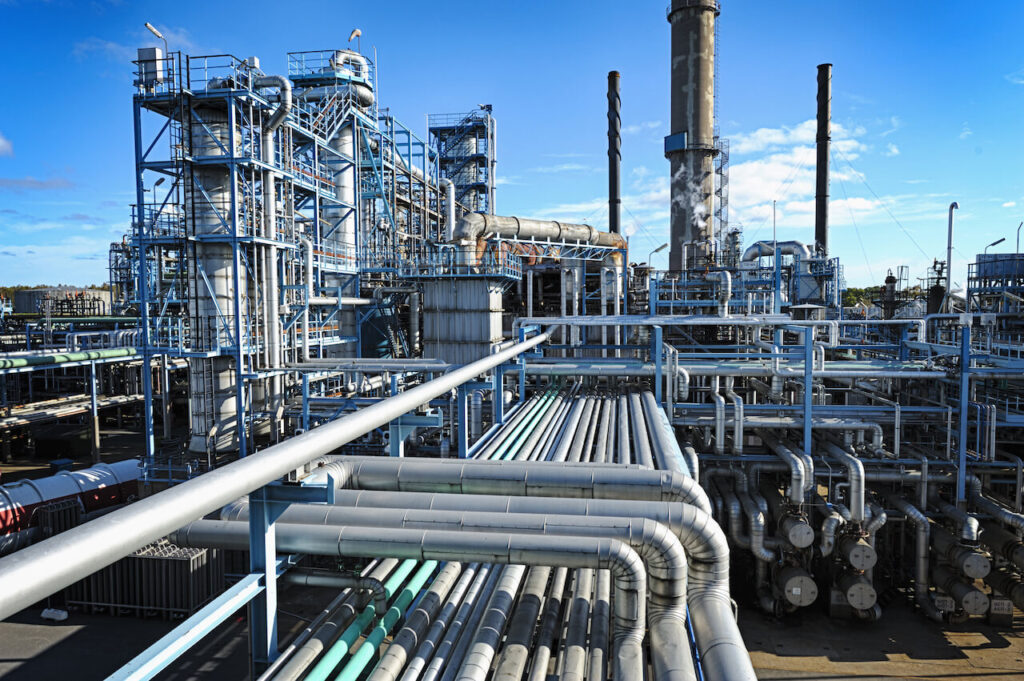
- Oil Refineries – Convert crude oil into finished fuels and chemicals
- Oil Terminals – Store refined petroleum products before distribution
- Bulk Plants – Handle large-scale fuel storage and redistribution
- Gas Stations – Deliver finished fuels to consumers
- Chemical Blending Facilities – Mix hydrocarbons to create different octane ratings and specialty products
Each of these plays a critical role in the downstream operation process.
Downstream Operations and Fuel Blending
A major part of downstream operation involves blending hydrocarbons to create fuels with specific performance characteristics. This includes adjusting octane ratings for gasoline used in the automotive industry and producing specialty fuels for aviation and industrial use.
These controlled blending processes ensure product quality, engine performance, and regulatory compliance.
Importance of Downstream Operations
Downstream operations are essential because they:
- Turn raw crude oil into usable products
- Ensure fuel quality and safety standards are met
- Support global transportation and industrial needs
- Enable efficient fuel distribution to end users
- Maintain compliance with environmental and safety regulations
Without downstream operations, crude oil would have little practical value.
Safety and Compliance in Downstream Operations
Downstream facilities must follow strict OSHA and environmental regulations due to the risks associated with flammable liquids, vapors, and high-pressure systems. Proper safety equipment, access systems, spill containment, and monitoring solutions are critical to maintaining safe operations.
A downstream operation refers to all processes applied to crude oil after extraction, including refining, storage, blending, distribution, and retail sales.
Yes. Refining is one of the most important downstream operations and converts crude oil into fuels and chemical products.
Refineries, oil terminals, bulk plants, blending facilities, and gas stations are all part of downstream operations.
Upstream focuses on exploration and extraction, while downstream operation focuses on processing, distribution, and selling petroleum products.
They make crude oil usable, ensure fuel quality, support transportation, and keep energy supplies moving safely to consumers.