


A dock is a general term used to describe a designated platform where marine vessels or trucks can temporarily position themselves for loading and unloading operations. In fuel handling and industrial logistics, docks play a critical role in maintaining safe, efficient material transfer.
These platforms are commonly referred to as loading docks and are designed to support controlled access between vehicles, vessels, and facility infrastructure.
Purpose of a Dock in Fuel and Industrial Operations
In fuel depots and waterfront facilities, docks allow tankers, barges, and transport vehicles to align securely with transfer points. This controlled positioning helps reduce spillage risk, equipment damage, and worker injury during loading or unloading activities.
Gangways are often installed to provide dockworkers with safe passage to and from marine vessels. These access systems significantly improve worker safety while maintaining productivity.
Use in Truck and Flatbed Loading
In land-based operations, docks may also support truck loading. Flatbed trucks can be stabilized using truck jacks, while portable stair or access systems are installed to allow workers to safely reach elevated surfaces.
This setup is commonly used in manufacturing and distribution environments where flexibility and efficiency are required without compromising safety.
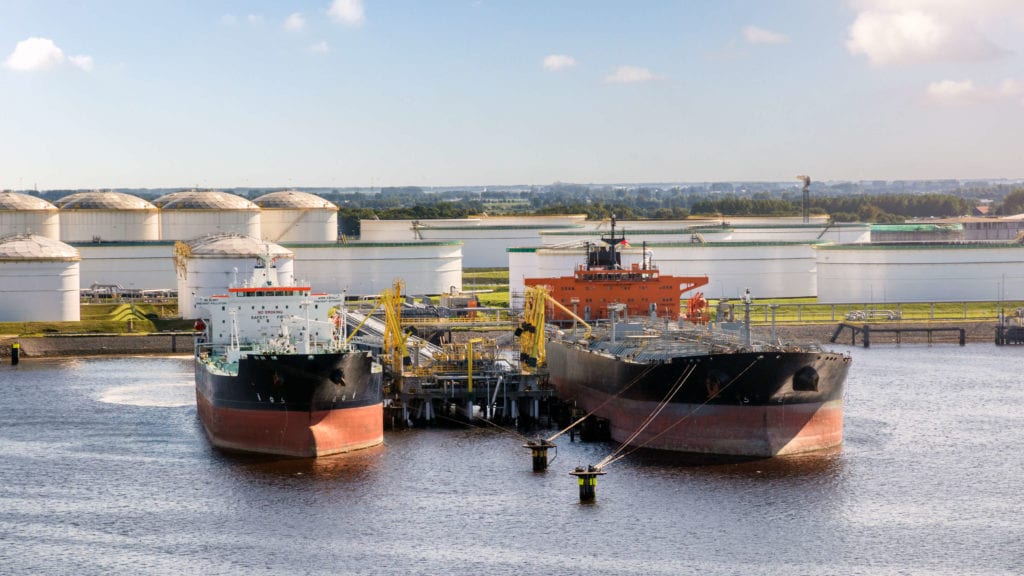
Where Fuel Loading Docks Are Found
Fuel loading docks are typically located:
- At waterfront fuel terminals
- Within fuel depots and bulk plants
- At facilities handling marine or over-the-road fuel transport
Their design varies based on operational needs, cargo type, and regulatory requirements.
Safety and Productivity Considerations
Properly designed dock systems help:
- Improve worker access and movement
- Reduce fall and transfer hazards
- Support faster, more organized loading processes
- Maintain compliance with safety regulations
Investing in appropriate access equipment and structural support directly impacts operational reliability and workforce safety.
It provides a controlled platform for loading and unloading fuel from marine vessels or trucks.
Yes. With proper support such as truck jacks and portable access systems, they are commonly used for flatbed loading.
They allow workers to safely move between vessels and platforms, reducing fall risks.
No. While common on waterfronts, they are also used in fuel depots and industrial facilities for truck loading.