


A distillate is the product collected after vapors cool and turn back into liquid during the distillation process. Distillation is widely used in the petroleum industry to separate crude oil into usable fuels and products.
In simple terms, crude oil is heated until it turns into vapor. As those vapors cool, they condense into liquids. The liquid collected at this stage is called a distillate.
How the Distillation Process Works
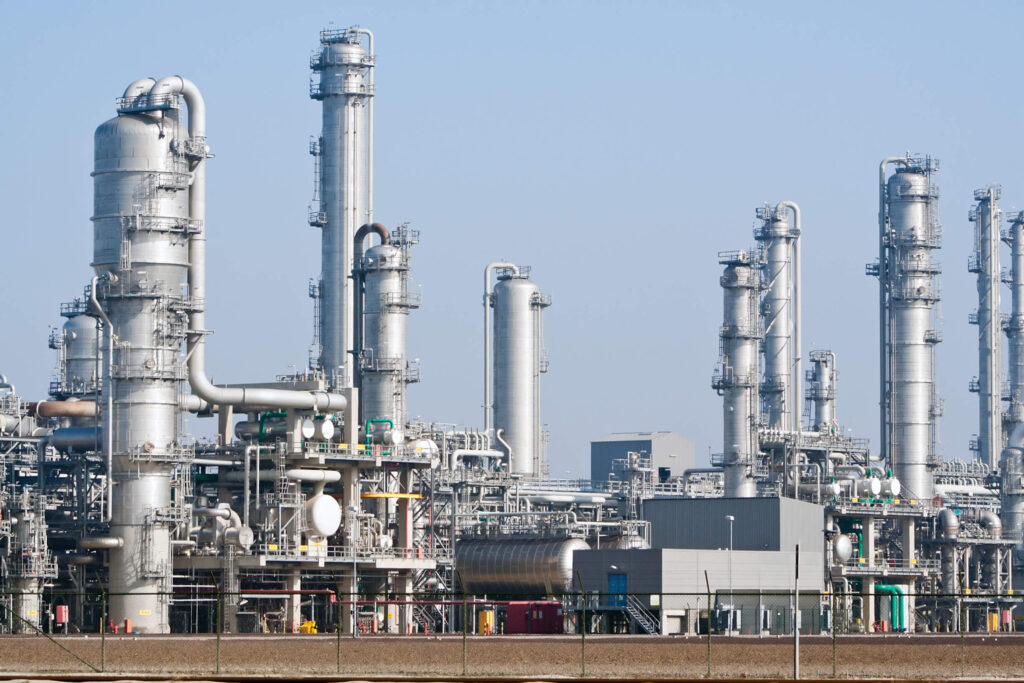
Distillation works by heating crude oil to very high temperatures. As the oil heats up:
- Different components turn into vapor at different temperatures
- Vapors rise inside a distillation column
- As vapors cool, they condense back into liquid form
- Each condensed liquid is collected separately
Each collected liquid is a distillate with specific properties and uses.
Common Petroleum Distillates
Most everyday fuels including:
- Gasoline
- Diesel fuel
- Kerosene
- Jet fuel
- Naphtha
These products are separated based on boiling points during the distillation process.
Why These Are Important
They are the foundation of the modern fuel and energy industry. They power vehicles, aircraft, generators, and industrial equipment. Without distillation, crude oil would not be usable in its raw form.
Each of them is refined further to meet safety, performance, and environmental standards.
Distillates in Fuel Distribution
Once separated, they are stored, transported, and delivered through pipelines, tanker trucks, railcars, and storage terminals. Proper handling is essential to maintain fuel quality and ensure safety during transportation and use.
It is a liquid collected after vapor cools during the distillation process.
Yes. Gasoline is one of the most common petroleum distillates.
By heating crude oil until it vaporizes and then condensing the vapor back into liquid.
Most fuels are distillates, but some products require additional refining or blending.
Different components of crude oil boil at different temperatures, allowing them to be separated.