


A dispensing pump is the visible fuel delivery unit found at gas stations that allows fuel to be safely transferred from a storage system into a vehicle. While commonly referred to as a “fuel pump,” modern systems operate differently than older mechanical designs.
Today’s dispensing pumps do not actually pump fuel from the underground tank themselves.
How Modern Dispensing Pumps Work
In modern fuel stations, the fuel is moved by a remote pump located closer to the underground storage tank. This remote system pushes fuel through piping toward the dispenser.
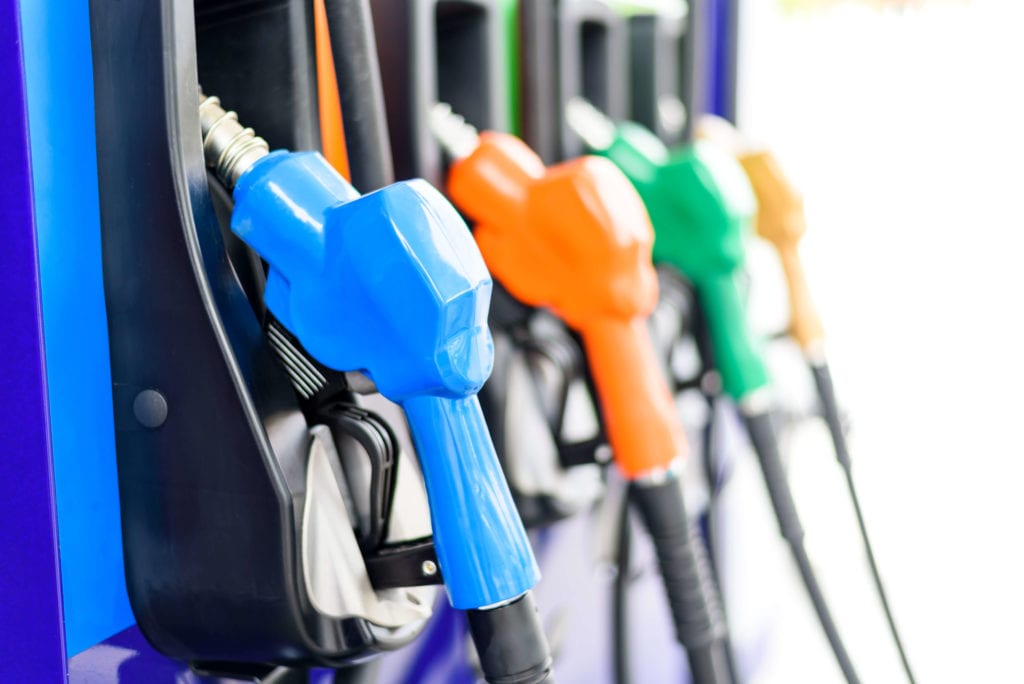
The unit that customers interact with, the hose, nozzle, display, and controls, is the dispensing pump. Its primary role is to:
- Measure fuel accurately
- Control flow rate
- Provide a safe user interface
- Display volume and cost information
Because the pumping mechanism is remote, the dispenser itself focuses on control and metering rather than fuel propulsion.
Why Pumps Are Designed This Way
Separating the pumping mechanism from the dispenser improves:
- System reliability
- Fuel flow consistency
- Safety at the fueling point
- Ease of maintenance
This design also allows for better integration with safety systems, leak detection, and monitoring technologies commonly used in modern fuel stations.
Evolution of Fuel Dispensing Systems
Fuel dispensing equipment has evolved significantly over time. Early pumps combined mechanical pumping and dispensing into a single unit. As fuel stations grew more complex and safety standards increased, systems transitioned to remote pumping designs that are now standard across the industry.
Safety and Operational Benefits
Modern dispensing pumps are engineered to support:
- Controlled fuel delivery
- Emergency shutoff systems
- Accurate metering and billing
- Compliance with environmental and safety regulations
These features help reduce spills, equipment wear, and operational risk.
Not exactly. The dispensing pump is the user-facing unit, while the actual fuel pump is usually located remotely near the tank.
A remote pump improves safety, reliability, and fuel flow control.
Yes. The dispensing pump measures and regulates the amount of fuel delivered.
Yes. Remote pumping systems are standard in modern fuel stations.