


Dispenser pans are spill containment systems installed beneath fuel dispensers at fuel handling facilities. Their primary purpose is to capture motor fuel leaks that may occur from piping, fittings, or valves connecting the fuel dispenser to the underground piping system.
These pans act as a protective barrier between leaking fuel and the surrounding soil.
How Dispenser Pans Work
When fuel leaks occur:
- Fuel is captured inside the containment pan
- Collected fuel drains into a designated holding tank
- The captured product is then properly removed and disposed of
This process helps prevent environmental contamination and limits cleanup costs.
Environmental Protection Considerations
Fuel leaks, oil residue, and grease are environmental hazards. Environmental Protection Agency closely regulates:
- How leaked fuel is contained
- How oil and grease are collected
- How hazardous materials are disposed of
Improper disposal can result in regulatory violations, environmental damage, and significant fines.
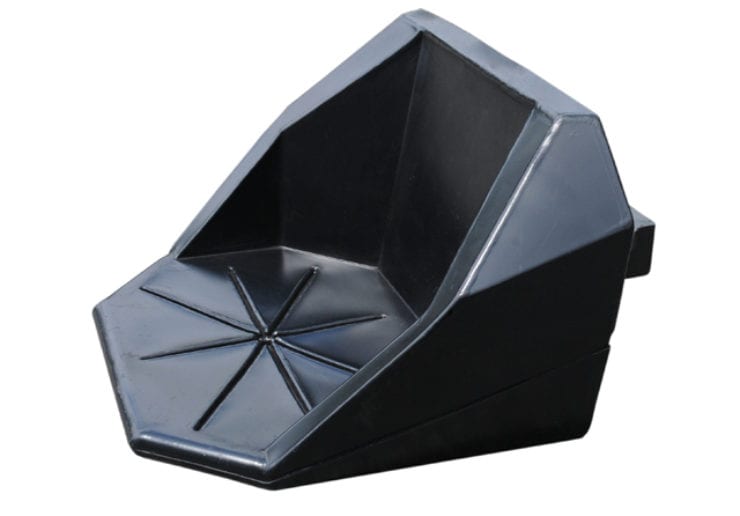
Why Dispenser Pans Are Important
Dispenser pans help facilities:
- Protect soil and groundwater
- Maintain compliance with environmental regulations
- Detect small leaks before they become major failures
- Reduce long-term remediation costs
They are a critical component of modern fuel system safety design.
In Simple Terms
Dispenser pans:
- Sit underneath fuel dispensers
- Catch leaking fuel from pipes and valves
- Prevent ground contamination
- Support EPA compliance
Its main purpose is to capture small fuel leaks that may occur beneath a fuel dispenser, preventing liquids from reaching soil or groundwater.
They are installed below fuel dispensing units at service stations and fuel-handling facilities, directly under piping connections and valves.
Collected liquids are directed to a holding system and later removed following approved disposal procedures in line with environmental regulations.
Many fuel facilities are required to use secondary containment systems to comply with environmental protection standards set by agencies such as the Environmental Protection Agency.