


A dispenser, commonly known as a fuel pump or gas pump, is a device used to dispense and measure liquid or gaseous fuel such as gasoline, diesel, or compressed natural gas (CNG). It ensures accurate fuel delivery while recording the quantity and cost for both the user and the station operator.
Modern dispensers combine mechanical pumping systems with electronic controls to deliver fuel safely and efficiently.
Main Components of a Fuel Pump
There is a great history of Gas Pumps and the modern fuel dispensers are divided into two primary sections:
1. Electronic Head (Control System)
- Contains an embedded computer system
- Controls pump operations and safety mechanisms
- Displays fuel volume, price, and total cost
- Communicates with point-of-sale (POS) systems
- Supports features like pay-at-the-pump and digital transactions
2. Mechanical Section (Fuel Delivery System)
- Includes electric motor, pump, meters, valves, and pulsers
- Physically moves fuel from storage tanks to the nozzle
- Controls flow rate and ensures accurate measurement
- Often operates as a self-contained unit
Submersible Pumps
In many modern fueling systems, the actual pumping unit is located inside underground storage tanks. These are called submersible pumps.
Benefits:
- Improved fuel flow efficiency
- Reduced noise and vibration
- Lower risk of vapor lock
- Enhanced safety in fuel transfer
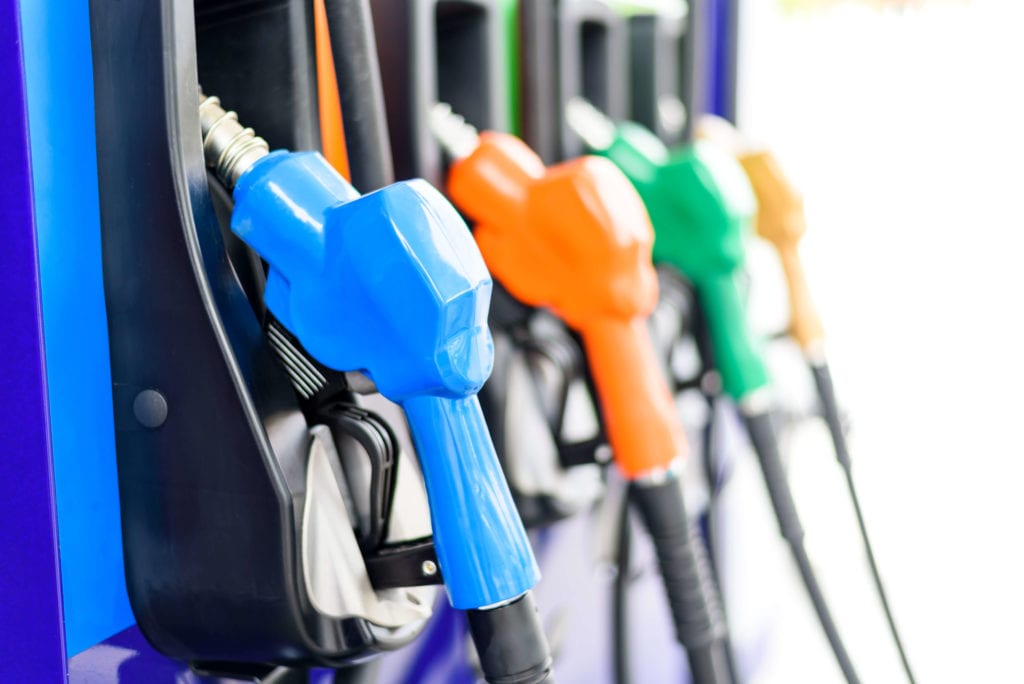
Types of Fuel Dispensers
Fuel pumps vary based on functionality and application:
- Single-hose dispensers: Deliver one type of fuel
- Multi-grade dispensers: Offer multiple fuel options (e.g., regular, premium)
- High-flow dispensers: Used for trucks and commercial fueling
- CNG dispensers: Designed for compressed natural gas systems
Key Features of Modern Dispensers
- Digital displays and automated billing
- Pay-at-the-pump systems (card/contactless payments)
- Vapor recovery systems to reduce emissions
- Safety shut-off valves
- Multiple hoses for different fuel grades
They are often used interchangeably. Technically, the dispenser includes both the control system and pumping mechanism, while the pump refers to the fuel-moving component.
It uses flow meters and pulsers to track the volume of fuel delivered in real time.
A pump located inside the storage tank, used to push fuel efficiently to the dispenser.
Features include automatic shut-off, vapor recovery systems, and leak detection.
Can one pump dispense multiple fuel types?