


A dispense point refers to any location where a fuel product is released from a fluid distribution system for transfer or use. It is the final point in the delivery process where fuel moves from storage into equipment, vehicles, or containers.
These locations are designed to manage flow safely while accommodating different fuel types and viscosities.
Common Types of Dispense Points
Fuel delivery setups can vary based on facility layout and operational needs. Common configurations include:
- Oil bars used in industrial fueling
- Hose reels that provide flexible access
- Manual hoses fitted with control handles
Many systems are designed to respond automatically to changes in pressure, helping regulate flow when thicker or more viscous fluids are transferred.
Equipment Used in Fuel Dispensing
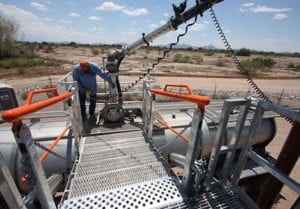
Fuel is typically delivered through specialized components such as nozzles and loading arms. These tools help ensure controlled transfer while minimizing spills and product loss.
In larger facilities, automated and semi-automated systems are increasingly being adopted to improve accuracy and operator safety.
Advancements in Dispensing Technology
Automation is becoming more common in fuel depots. Robotic dispensing systems are currently under development and testing, aiming to reduce human exposure, increase consistency, and improve operational efficiency during high-volume transfers.
Why Proper Design Matters
A well-designed dispensing setup supports safe operations, reduces environmental risk, and improves workflow efficiency. Proper equipment selection also plays a role in meeting regulatory and safety expectations within fuel handling facilities.
They are used in fuel depots, industrial plants, service stations, and bulk storage facilities.
They can be either. Some rely on manual control, while others use automated or robotic systems.
Managing pressure helps prevent spills, equipment damage, and inconsistent flow rates.
Yes. Fluid viscosity and chemical properties influence equipment choice.
They are emerging technologies and are gradually being introduced in larger facilities.