


A Diesel Exhaust Fluid (DEF) test is a procedure used to ensure that diesel fuel and DEF remain free from contaminants. Contaminants in diesel or DEF can damage engine components, particularly the Selective Catalytic Reduction (SCR) system, and reduce overall fuel efficiency.
Regular testing helps maintain fuel quality and prevent operational issues.
Why Testing Diesel Fuel Matters
Diesel fuel can harbor bacteria and fungi, which thrive in the water and hydrocarbons naturally present in storage tanks. Over time, these microorganisms, along with dirt or debris entering through damaged caps, gaskets, or ventilation openings, can contaminate the fuel.
Impacts of contaminated diesel include:
- Reduced engine performance
- Accelerated wear on fuel system components
- Blockages in fuel filters and injector systems
- Shortened lifespan of SCR systems
Routine DEF testing is an effective way to mitigate these risks.
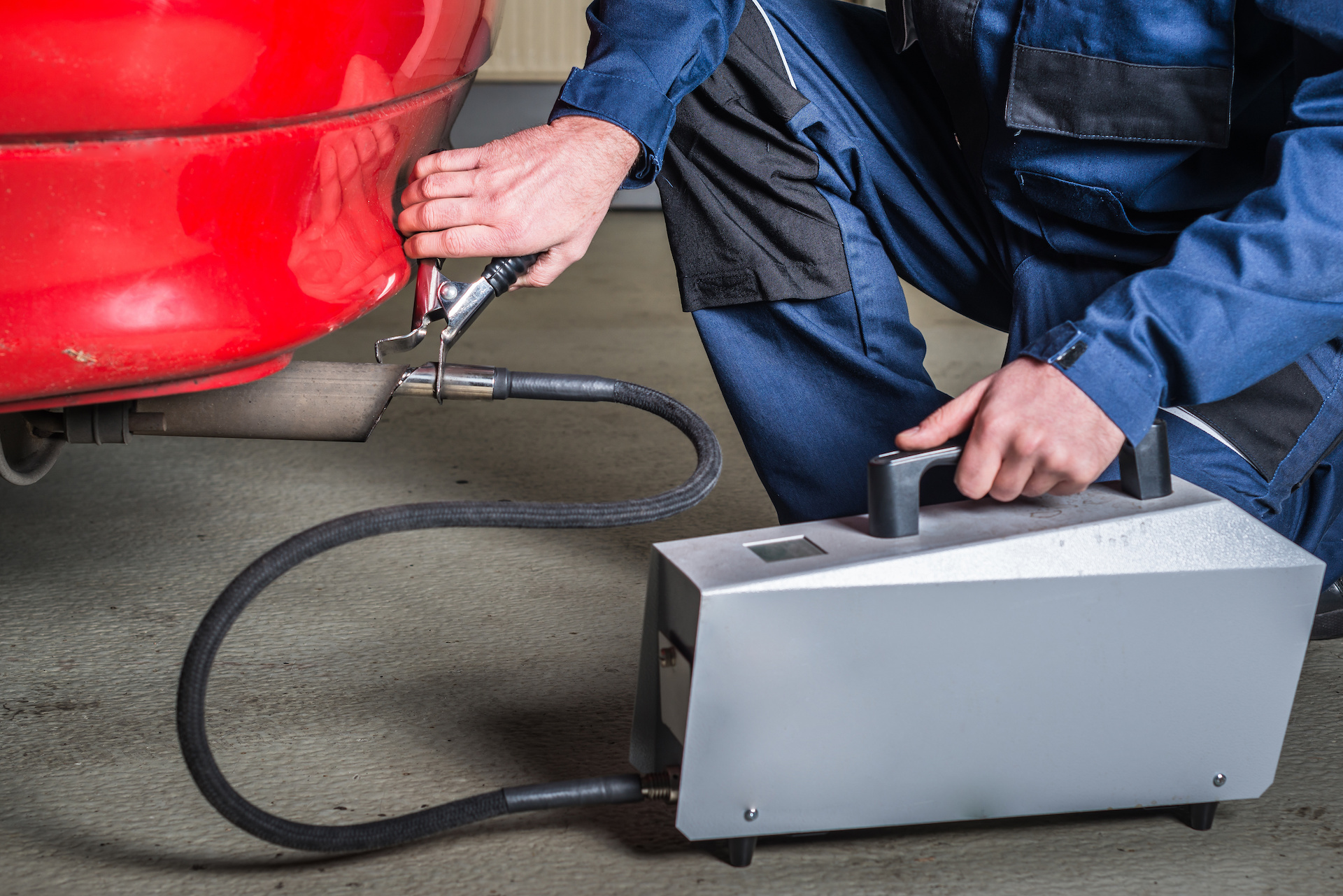
How the Test Works
The Diesel Exhaust Fluid test is typically conducted on-site using simple testing kits. The test checks for:
- Water content
- Particulate matter
- Microbial contamination
By detecting contaminants early, facilities can take preventive action before damage occurs.
Best Practices for Maintaining Diesel Quality
- Keep fuel tanks closed and sealed at all times
- Inspect caps, gaskets, and ventilation openings regularly
- Perform routine DEF and fuel testing
- Maintain clean storage tanks and remove water from tanks periodically
- Monitor for microbial growth and take corrective action if necessary
These steps reduce the risk of contamination and prolong the life of diesel engines and DEF systems.
It ensures fuel quality, prevents damage to engines and SCR systems, and maintains efficiency.
Microbes, water, debris, and compromised seals or caps can allow contaminants into the fuel.
Testing frequency depends on usage and local regulations, but routine checks are recommended for all storage tanks.
Contaminated diesel may need filtration, water removal, or complete tank cleaning depending on severity.
Yes. Maintaining uncontaminated DEF and diesel protects engine components and reduces maintenance costs.