


A diaphragm pump is an air-operated pump that uses a flexible membrane (diaphragm) to move liquids efficiently through a system. The pump operates by applying air pressure to one side of the diaphragm, which forces fluid trapped in a chamber on the opposite side through the outlet.
These pumps are highly versatile and are commonly used in industrial, chemical, and water-handling applications.
How Diaphragm Pumps Work
- Air Pressure Movement: Compressed air is applied to the diaphragm, creating pressure that pushes the fluid through the pump chamber.
- Check Valves: A pair of check valves ensures the liquid flows in the correct direction, preventing backflow.
- Cycle Repetition: As the diaphragm moves back and forth, liquid is continuously drawn in and discharged, providing consistent flow without the need for seals or mechanical pistons.
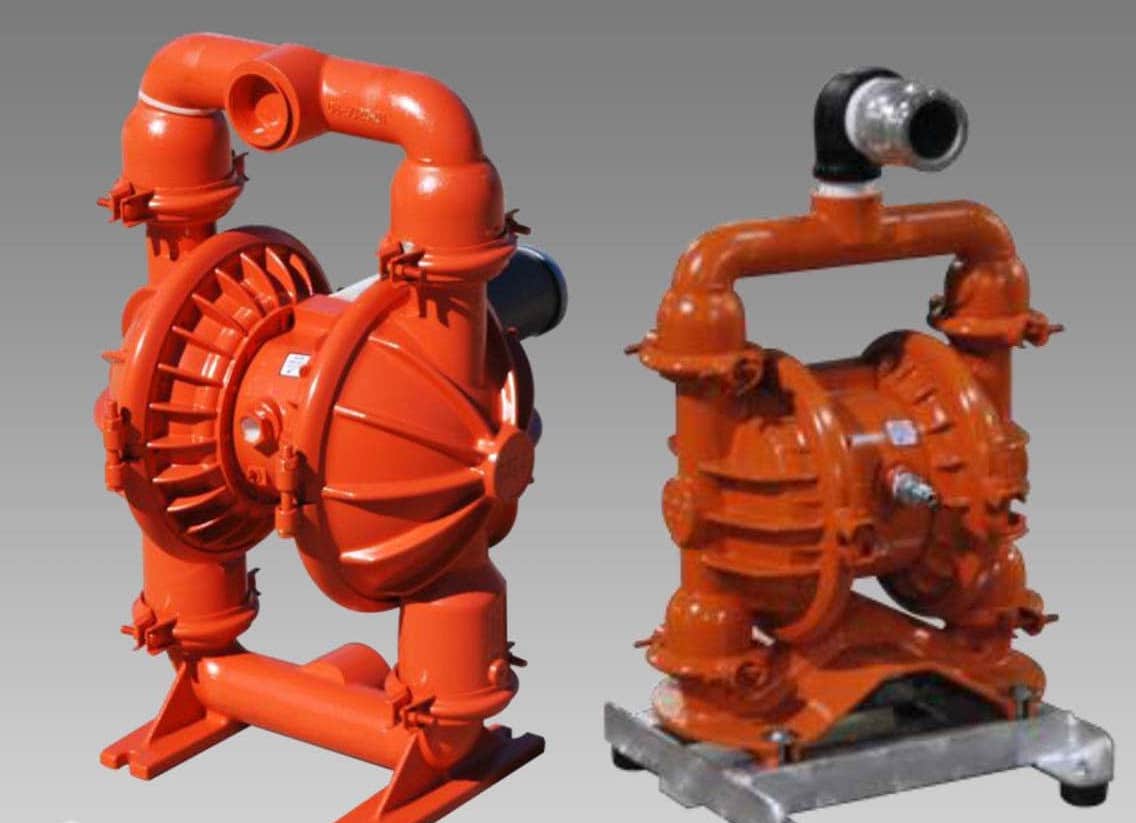
Applications of These Pumps
- Chemical dosing and transfer
- Water and wastewater treatment
- Food and beverage processing
- Oil, fuel, and lubrication systems
- Spill containment and hazardous liquid handling
These pumps are valued for their leak-free operation, chemical resistance, and ability to handle abrasive or viscous fluids safely.
They can move corrosive, viscous, abrasive, and clean fluids, making them suitable for many industrial and environmental applications.
Unlike piston pumps, they do not rely on metal-to-metal seals, reducing the risk of leaks and allowing safe pumping of hazardous liquids.
Most of these are air-operated, though some designs use electric motors to move the diaphragm.
Check valves control the direction of fluid flow, preventing backflow and ensuring smooth, consistent pumping.
Yes, certain these pump designs can safely move liquids containing small solids without clogging.