


De-energize means to remove or disconnect an electrical connection or electric charge from equipment or a system. By doing this to machinery, workers eliminate the risk of electric shock or accidental activation during maintenance or inspection.
In industrial and construction settings, this process ensures a safe work environment when handling electrical systems or devices.
How to De-Energize Equipment`
To safely de-energizing the equipment, follow these steps:
- Turn Off Power: Switch off the primary power source.
- Disconnect Sources: Unplug or isolate all electrical connections.
- Verify Absence of Energy: Use appropriate testing devices to confirm the system is free of voltage.
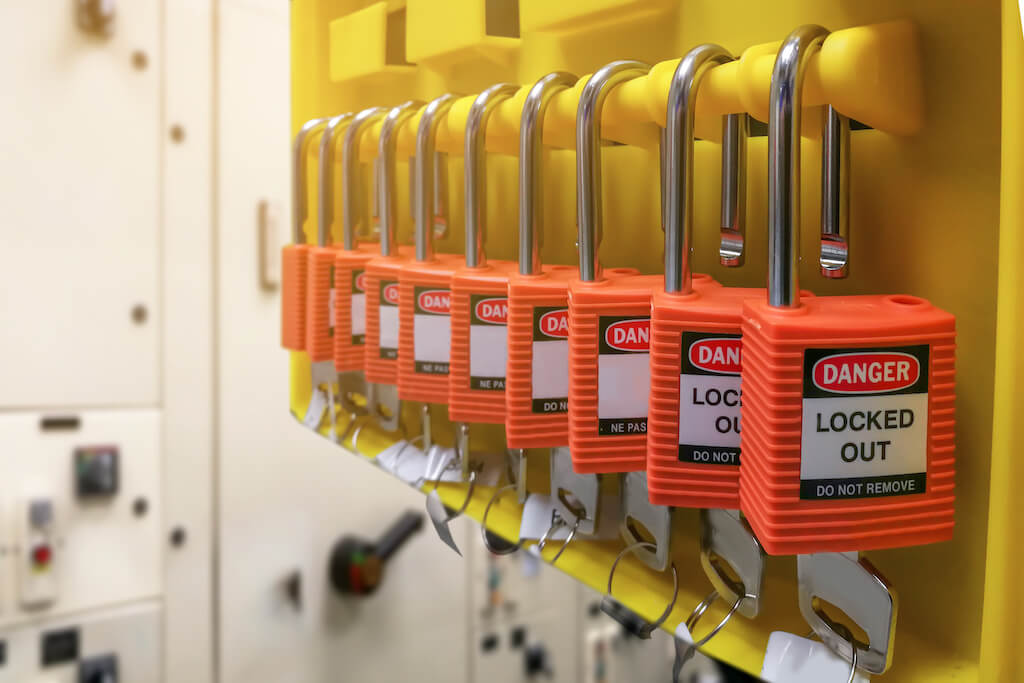
- Lockout/Tagout: Apply lockout/tagout procedures to prevent accidental re-energization.
Following these steps helps comply with OSHA regulations and prevents electrical accidents.
Applications
It is essential in:
- Electrical Maintenance: Servicing circuit panels, motors, or control systems.
- Industrial Machinery: Performing repairs on automated equipment safely.
- Construction Sites: Ensuring power tools and temporary wiring are safe to handle.
- Safety Protocols: Lockout/tagout procedures require this before work begins.
Properly de-energized systems protect workers, reduce accidents, and maintain compliance with safety standards.
Benefits
- Prevents electric shock and electrocution.
- Ensures safe maintenance and inspections.
- Reduces downtime caused by accidents.
- Supports compliance with OSHA and workplace safety regulations.
It is a simple yet critical step in electrical safety procedures.
It means to disconnect all electrical power to prevent accidental operation or shock.
Yes, OSHA requires equipment to be de-energized before maintenance or servicing whenever possible.
Use voltage testers or other testing devices to ensure no electrical energy is present.
Only in specific cases with proper safeguards; otherwise, it is mandatory for safety.