


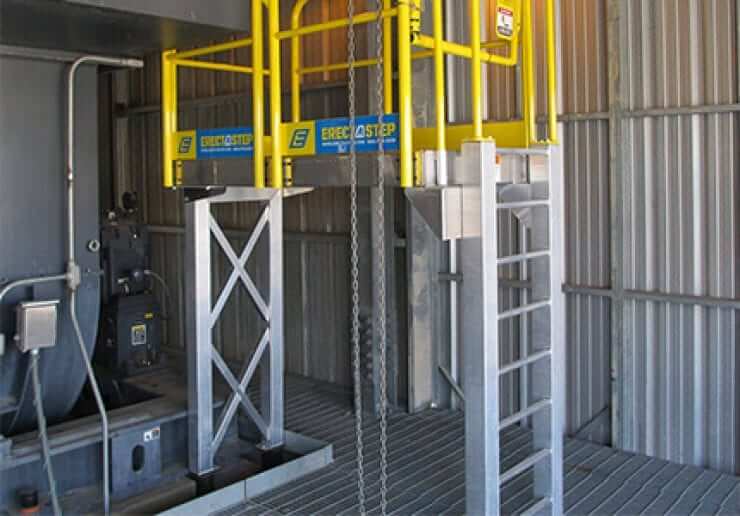
Cross braces are structural support components commonly used in fall protection systems, scaffolding, and access structures. They consist of two braces that intersect diagonally in the shape of an “X,” providing lateral stability and resistance to movement.
According to Occupational Safety and Health Administration (OSHA), cross braces are a critical part of scaffolding systems because they help prevent swaying, collapse, and unintended displacement during use.
Purpose of Cross Braces in Safety Systems
The primary function of cross braces is to increase rigidity and load stability. By crossing diagonally, the braces distribute forces evenly across the structure, reducing stress on individual components.
In access platforms, temporary structures, and scaffolding, cross braces help ensure the system remains stable when workers climb, descend, or perform tasks at elevation.
Common Applications
Cross braces are widely used in industrial and construction environments, including:
- Scaffolding systems
- Temporary access structures
- Elevated work platforms
- Maintenance and inspection areas
- Fall protection assemblies
Their use supports compliance with workplace safety standards and helps reduce the risk of structural movement that could lead to accidents.
Safety and Compliance Considerations
Proper installation of cross braces is essential. Missing, damaged, or improperly secured braces can significantly reduce the structural integrity of a system. Regular inspection is recommended to ensure braces remain tight, aligned, and free from corrosion or deformation.
They provide lateral support, preventing the structure from swaying or shifting during use.
OSHA requires scaffolding systems to be properly braced to maintain stability, and cross braces are a common method to meet this requirement.
They are installed diagonally between vertical members of scaffolding, platforms, or access systems.
In most cases, no. Removing or omitting cross braces can compromise stability and increase fall or collapse risk.
Yes. They should be checked for secure connections, damage, and alignment as part of routine safety inspections.