


Controlled Access Zone (CAZ) is a fall-protection concept defined by OSHA. It refers to a designated work area where specific tasks can be performed without traditional fall protection systems, as long as access to the area is strictly controlled.
In simple terms, a CAZ is a restricted work zone that keeps unauthorized workers out of hazardous areas where falling objects or fall risks exist.
OSHA Definition of a Controlled Access Zone
According to OSHA, a Controlled Access Zone (CAZ) is:
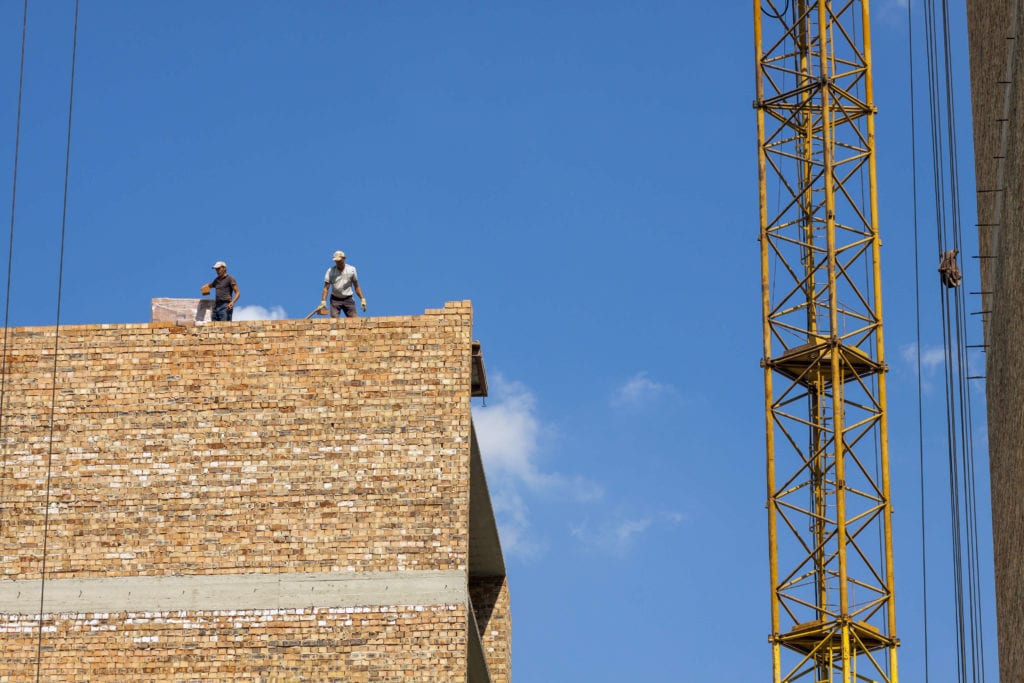
An area in which certain work (such as overhand bricklaying) may take place without guardrail systems, personal fall arrest systems, or safety net systems, and access to the zone is controlled.
The purpose of a CAZ is to protect workers below by limiting who can enter the hazard area.
Why Controlled Access Zones Are Used
These are typically used when:
- Traditional fall protection systems are impractical or infeasible
- The task is temporary and task-specific
- Only trained and authorized workers are allowed in the area
They help reduce the risk of:
- Falling objects
- Workers accidentally entering a danger zone
- Unprotected exposure to fall hazards
Common Applications of CAZ
These are most often used in:
- Overhand bricklaying and masonry work
- Leading-edge construction activities
- Roofing and structural steel work
- Elevated work where guardrails cannot be installed
- Temporary construction or maintenance tasks
How a CAZ Is Set Up
A CAZ must be clearly marked and actively controlled. Typical setup includes:
- Warning lines, barriers, or ropes to define the boundary
- Signage indicating restricted access
- Dedicated access points
- Trained personnel only allowed inside the zone
- A competent person responsible for monitoring the area
The zone must be positioned so that no workers are exposed below the active work area.
CAZ vs Traditional Fall Protection
| Feature | CAZ | Guardrails / PFAS |
|---|---|---|
| Physical barrier | Limited | Yes |
| Access control | Strict | Not required |
| Use case | Specific tasks | General protection |
| Worker restriction | Authorized only | All workers protected |
Controlled Access Zones are task-specific solutions, not permanent safety systems.
SafeRack Solutions and Controlled Access Zones
While Controlled Access Zones are permitted under OSHA, physical fall protection systems are always the preferred solution when feasible.
SafeRack provides:
- OSHA-compliant platforms, gangways, and access systems
- Temporary and permanent fall-protection solutions
- On-site safety evaluations to determine when CAZs are appropriate vs when engineered controls are required
A CAZ is a restricted work area where certain tasks can be performed without standard fall protection, as long as access is controlled.
OSHA allows CAZs for specific tasks, such as overhand bricklaying or leading-edge work, when traditional fall protection is not feasible.
Only trained and authorized workers performing the designated task may enter the zone.
No. A CAZ is only allowed in limited situations. If guardrails or fall arrest systems can be used, they must be used.
CAZs are marked with warning lines, barriers, ropes, or signs and must be actively monitored