


A compressor station is a facility located along natural gas pipelines that compresses gas to maintain pressure and ensure continuous flow to distributors and consumers. These stations are critical for the safe and efficient transportation of natural gas over long distances.
How Compressor Stations Work
- Gas from a wellhead enters the pipeline system.
- The gas travels along pipelines toward distributors and consumers.
- Compressor stations along the route boost the gas pressure to overcome friction and distance challenges.
- Stations may include worker safety features and monitoring systems to ensure compliance with safety regulations.
Importance of Compressor Stations
- Maintain constant flow of natural gas through pipelines.
- Ensure pressure is adequate for safe delivery to downstream users.
- Reduce the risk of pipeline shutdowns or pressure drops that could interrupt service.
- Incorporate safety protocols to protect workers and the surrounding environment.
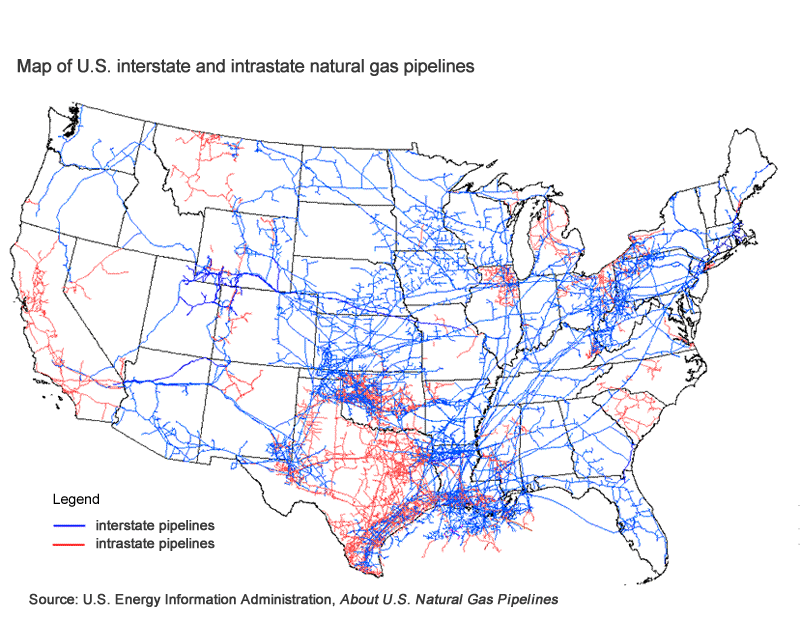
U.S. Natural Gas Pipeline System
- Over 3 million miles of installed pipelines exist in the United States.
- Many pipelines were built in the 1950s and 1960s, with additional installations added over time.
- Compressor stations are strategically located along these pipelines to maintain pressure and flow.
It is a facility along a natural gas pipeline that compresses gas to maintain pressure and ensure continuous transportation to consumers.
Natural gas loses pressure as it travels through pipelines. It boost pressure, enabling the gas to flow efficiently over long distances.
Yes, modern stations include worker safety measures such as monitoring systems, protective equipment, and automated controls to minimize risks.
Stations are positioned at intervals along pipelines where pressure needs to be maintained or boosted, often every 40–100 miles depending on pipeline design.
By maintaining proper pressure, stations ensure reliable and uninterrupted delivery of natural gas to distributors and end-users.