


A Compressed Air System is an essential part of industrial operations, used to generate, store, and distribute pressurized power equipment and processes. It plays a critical role in fluid distribution centers and manufacturing environments where pneumatic tools and components are widely used. This system ensures reliable energy delivery, making it a key infrastructure component in modern industrial facilities.
How the Compressed Air System Works
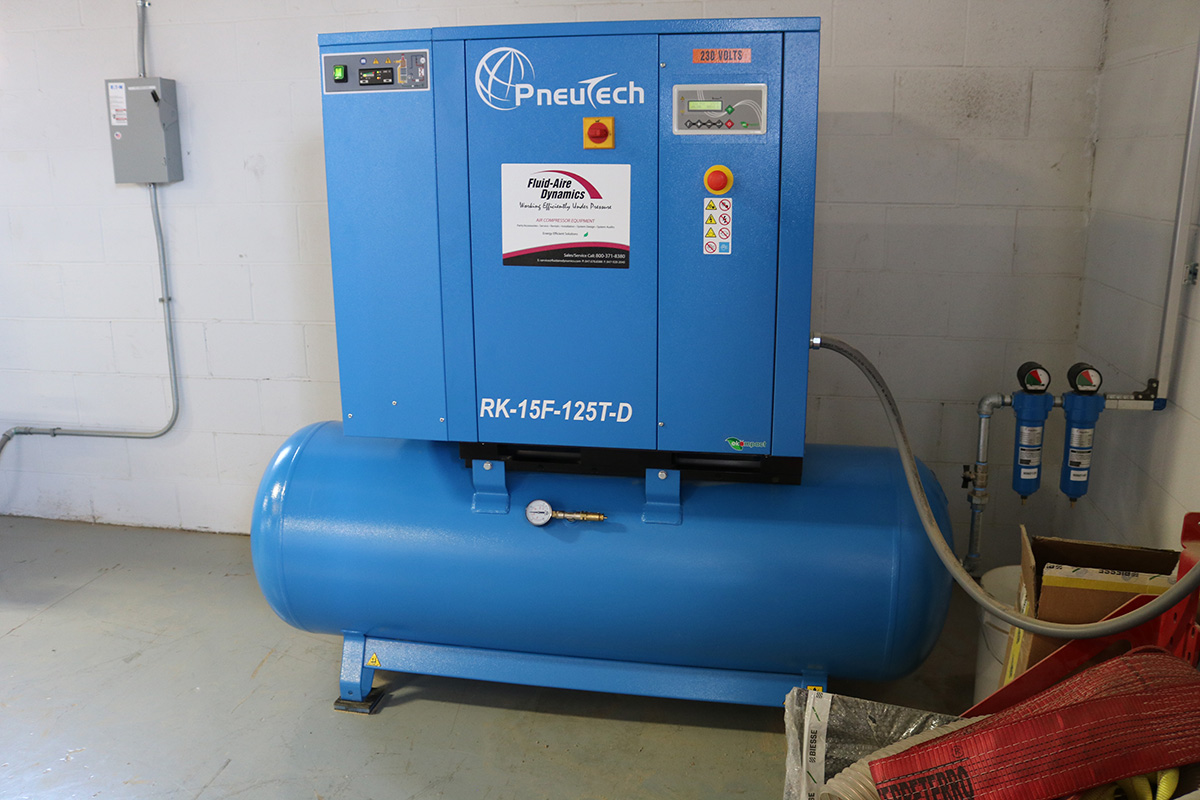
Airside begins with an compressor that generates pressurized air. The air then flows through a network of components designed to store, regulate, and distribute it efficiently.
- Air Compressor: Produces compressed air.
- Air Header: Main distribution line that carries air across the system.
- Piping Network: Transports air to various operational areas.
- Air Sparging & Drop Points: Deliver air to specific equipment or processes.
Proper filtration and monitoring ensure that the air quality meets operational and safety standards.
Applications
- Manufacturing: Powering pneumatic tools and automated systems.
- Fluid Distribution Centers: Supporting air-driven components and processes.
- Chemical Processing: Air sparging and mixing operations.
- Industrial Automation: Operating machinery and control systems.
Benefits
- Efficient Power Source: Reliable energy for pneumatic equipment.
- Versatile Usage: Suitable for a wide range of industrial applications.
- Improved Productivity: Supports continuous and automated operations.
- Clean Operation: Provides a safer alternative to some mechanical or electrical systems.
A compressed air system generates and distributes pressurized power industrial equipment and processes.
Clean air ensures proper equipment function and prevents contamination or damage.
An air compressor is the primary component that generates air for the system.