


A cleat is a structural block installed at the end of a platform to prevent it from slipping or moving off its supports. It is commonly used in construction and industrial environments to provide stability and improve worker safety. According to OSHA, they play an important role in keeping platforms secure and reducing the risk of accidents.
In many work platforms and boards may be placed on supports or positioned on inclined surfaces. Without proper reinforcement, these surfaces can shift or slide. It helps prevent this movement by acting as a stopping block that keeps the platform firmly in position.
How Cleats Improve Safety
To ensure stability and proper footing, they are typically installed in the following way:
- Secure Placement: The cleat is fixed at the end or underside of a platform to stop it from sliding off its support.
- Surface Support: It creates a barrier that holds the board or platform in place during use.
- Improved Traction: When installed on sloped boards, it provides grip for workers moving across the surface.
- Safe Work Access: They help maintain balance and stability when workers operate on elevated or inclined platforms.
These measures help maintain safe working conditions and reduce the likelihood of slips or falls.
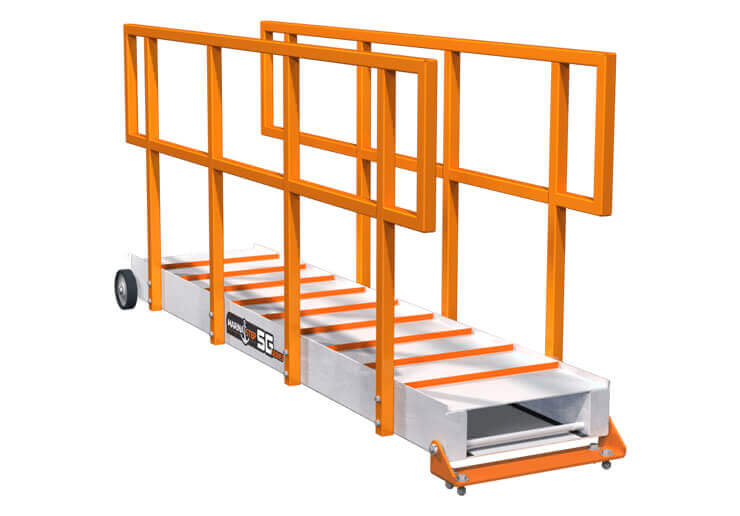
Applications
They are commonly used in several work environments, including:
- Construction Sites: Supporting temporary work platforms and scaffolding boards.
- Maintenance Work: Providing a secure footing on crawling boards used for inspection or repair.
- Gangways and Walkways: Improving traction on inclined access paths.
- Industrial Facilities: Helping workers maintain stability when operating on elevated structures.
In these settings, the presence of a properly installed cleat can significantly improve both safety and reliability.
Benefits
- Prevents platforms from slipping off supports.
- Provides additional traction on sloped surfaces.
- Improves worker safety during maintenance and construction tasks.
Supports compliance with workplace safety guidelines.
This one is a small structural component, but they play a vital role in maintaining stability and ensuring safer working conditions.
A cleat is used to prevent platforms or boards from slipping off their supports and to provide traction on inclined surfaces.
They are often installed on crawling boards, gangways, work platforms, and other surfaces where stability is required.
They help prevent slipping, improve footing, and keep platforms secure during work activities.
In many cases, safety guidelines recommend using cleats on sloped boards or platforms to reduce the risk of falls and improve worker stability.