

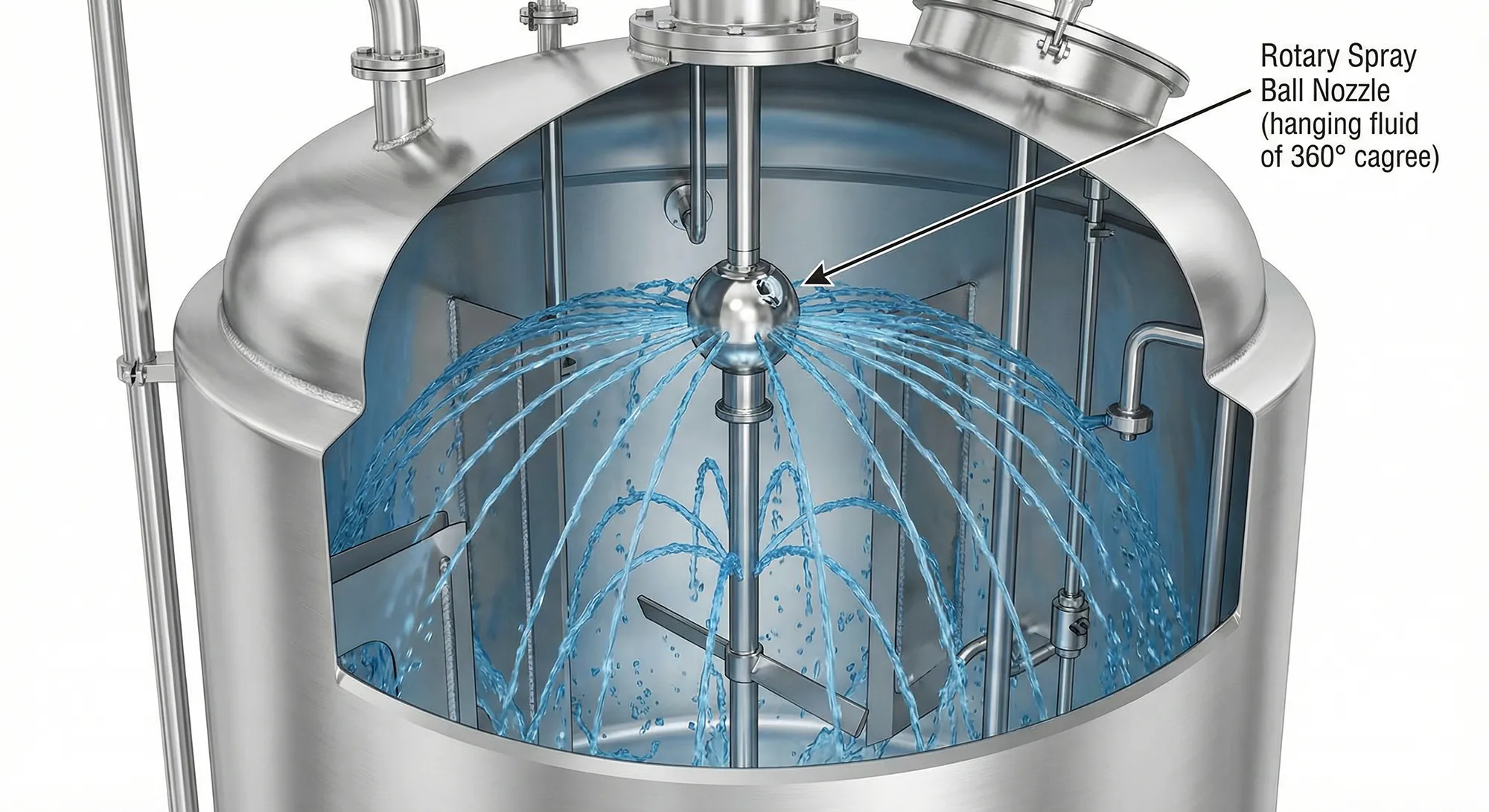
Clean In Place (CIP) is an automated method for cleaning the interior surfaces of pipes, vessels, process equipment, filters, and associated fittings without major disassembly. This process is critical in hygiene-centric industries such as food and beverage, dairy, and pharmaceuticals to ensure product safety and equipment efficiency.
How It Works
CIP systems circulate cleaning solutions—typically a sequence of water, detergents, caustics, and acids—through process lines and equipment at high flow rates. The turbulence and chemical action remove soil, bacteria, and debris from internal surfaces. A standard cycle includes:
- Pre-rinse: Removes loose solids and residue.
- Caustic Wash: Dissolves fats and proteins.
- Intermediate Rinse: Washes away detergent.
- Acid Wash: Removes mineral scale (if necessary).
- Final Rinse: Flushes all chemicals using fresh or sanitized water.
Safety and Operational Impact
- Reduced Confined Space Entry: CIP eliminates the need for workers to physically enter tanks for manual scrubbing, significantly reducing confined space hazards.
- Chemical Exposure Risks: While the cleaning is automated, the process relies on concentrated acids and strong caustics. Workers handling these chemicals during loading or system maintenance require robust protection and containment measures.
- Access Hazards: Technicians often need to access the tops of tanks or bulk trailers to inspect spray balls, verify cleanliness, or connect CIP return lines. Fall protection is essential for these tasks.
SafeRack Solutions
SafeRack supports CIP operations by providing safe access to equipment and secure containment for cleaning chemicals:
- Elevated Access: Gangways and work platforms provide OSHA-compliant access to the tops of stationary tanks and mobile tankers for inspection and maintenance of CIP components.
- Chemical Handling: Spill containment solutions protect facilities from leaks or spills in areas where CIP chemicals are stored or dispensed.