


Check valves operate without manual intervention. The valve’s internal mechanism (like a spring, flap, or disc) opens when fuel flows in the correct direction and closes when the flow reverses. This simple yet effective design ensures continuous protection for fuel storage and delivery systems.
Applications of Check Valves
They are critical components in fuel handling systems:
- Fuel Tanks: Prevent backflow from pipelines into storage tanks.
- Pipelines: Ensure consistent one-way fuel delivery.
- Pumping Systems: Protect pumps from damage caused by reverse flow.
By maintaining proper fuel direction, they enhance system safety, reduce maintenance costs, and prevent fuel spills or operational interruptions.
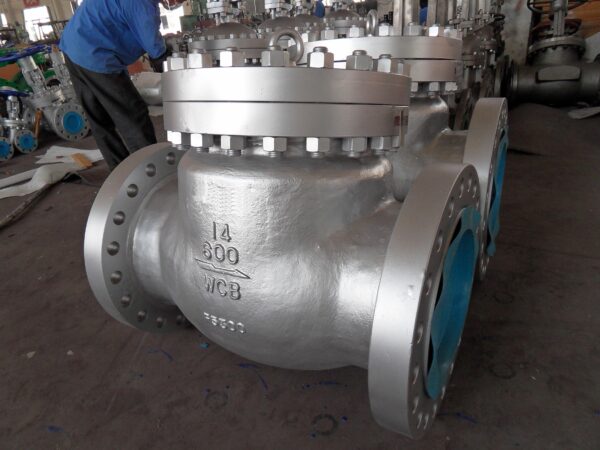
Safety Tips
- Inspect valves regularly for wear or corrosion.
- Ensure installation follows manufacturer specifications and fuel system guidelines.
- Replace valves that show signs of leakage or malfunction.
- Use valves compatible with the type of fuel and operating pressure.
Yes, but it’s important to choose valves designed for the specific fuel type (e.g., gasoline, diesel, or kerosene) to prevent corrosion or damage.
No, they operate automatically based on fuel flow direction.
Regular inspections are recommended, with maintenance or replacement depending on usage, fuel type, and environmental conditions.
While check valves reduce backflow and improve safety, they should be part of a complete fuel system maintenance plan to minimize leaks and hazards.