


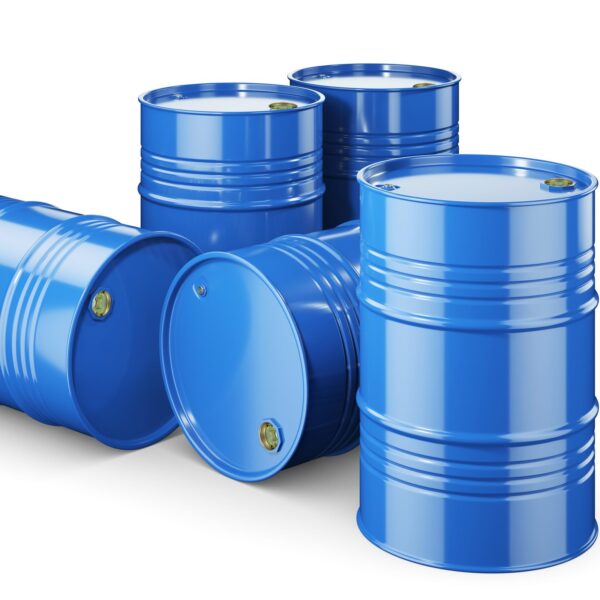
A bunghole is the threaded opening on a barrel or storage tank where a stopper, cap, or valve is installed. It serves as the primary access point for filling, dispensing, or venting the contents inside the container.
Bungholes are commonly found on steel and plastic drums used for storing chemicals, fuels, and industrial liquids.
Bunghole Key Features
- Threaded Design: Allows secure attachment of caps, plugs, or valves
- Standard Size: Typically 2 inches (51 mm) in diameter
- Location: Positioned on the top (closed-head drums) or lid (open-top drums)
- Compatibility: Works with pumps, adapters, and dispensing systems
Bunghole Accessories
To enhance functionality, bungholes can be fitted with:
- Bung plugs/caps: Seal the container securely
- Adapters: Connect pumps or transfer systems
- Valves: Control liquid flow
- Flow directors: Improve dispensing accuracy
Applications
Bungholes are widely use in:
- Chemical storage and handling
- Oil and fuel drums
- Hazardous material containment
- Industrial liquid transport
Safety Considerations
Proper use of bungholes is critical when dealing with hazardous materials:
1. Avoid Mixing Incompatible Chemicals
- Follow regulations such as 40 CFR 265.177
- Prevent reactions that could cause fires, explosions, or toxic releases
2. Check Material Compatibility
- Corrosive chemicals: Use plastic or lined drums
- Non-corrosive liquids (oil, fuel): Steel drums are typically suitable
3. Prevent Leaks and Failures
- Inspect threads and seals regularly
- Ensure tight closure to avoid spills or vapor release
4. Use Proper Equipment
- Select compatible pumps and fittings for safe transfer
Material Considerations
| Material Type | Best Use Case |
|---|---|
| Steel Drums | Oil-based, flammable, and non-corrosive liquids |
| Plastic Drums | Corrosive chemicals and reactive substances |
| Plastic-lined Drums | Additional protection against chemical reaction |
It provides a sealed access point for filling, dispensing, or venting liquids in drums or tanks.
Most bungholes are 2 inches (51 mm) in diameter, though smaller sizes may also exist.
Yes, adapters and fittings allow pumps and valves to connect directly.
Yes, if used with proper sealing, compatible materials, and regulatory compliance.
It can cause dangerous reactions, including leaks, fires, or explosions.