


A bulkhead fitting is a threaded connector installed through the wall of a fuel container or storage tank. Its primary purpose is to allow safe and leak free piping connections while maintaining a liquid-tight seal.
Bulkhead fittings are most often installed near the bottom of a tank to help with water drainage, fluid transfer, or fuel outlet connections.
What Is a Bulkhead Fitting?
It allows pipes, hoses, or valves to pass through the wall of a tank without leakage. It creates a sealed connection between the inside and outside of the container, making it essential in fuel systems, chemical storage, and liquid handling applications.
How They Works
The installation process is simple and reliable:
- A hole is cut into the wall of the fuel tank or container
- The bulkhead fitting body is inserted through the opening
- A gasket is placed between the fitting and tank wall
- A locknut is threaded onto the fitting from the opposite side
- Tightening the locknut compresses the gasket
- The compression creates a liquid-tight seal
This design prevents leaks even under pressure or vibration.
Key Features of Bulkhead Fittings
- Threaded design for secure connections
- Gasket-based sealing for leak prevention
- Suitable for fuel, water, oil, and chemical tanks
- Durable construction for industrial environments
- Easy to install and maintain
Common Applications
They are widely used in:
- Fuel storage tanks
- Diesel and gasoline containers
- Chemical processing tanks
- Industrial fluid systems
- Water drainage and outlet connections
They are especially useful in applications where reliable sealing and safe fluid transfer are critical.
Why Bulkhead Fittings Are Installed at the Bottom of Tanks
Placing bulkhead fittings near the bottom of a tank allows:
- Efficient drainage of water and contaminants
- Easy access for fuel transfer lines
- Improved tank maintenance and cleaning
Summary
It is a vital component for creating secure, leak-proof connections in fuel and liquid storage systems. By using threaded fittings, gaskets, and locknuts, bulkhead fittings ensure safe operation while allowing fluid to move in and out of tanks efficiently.
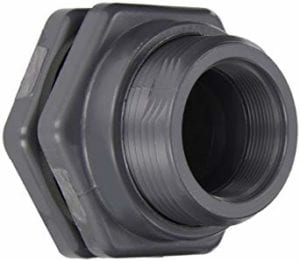
It is used to create a leak-proof connection through the wall of a tank or container. It allows pipes, hoses, or valves to pass through safely without fluid leaking
They are typically installed through the side or bottom of a tank. They are often placed near the bottom to help with drainage or fuel outlet connections.
It uses gaskets and a locknut. When the locknut is tightened, it compresses the gasket against the tank wall, creating a liquid-tight seal.
No. Bulkhead fittings are used in fuel tanks, water tanks, chemical containers, oil systems, and industrial fluid storage applications.
They are commonly made from brass, stainless steel, aluminum, or plastic, depending on the type of liquid and application.