


Building codes are a collection of rules that govern how structures are designed, built, and maintained. Their primary purpose is to protect people those who work in, live in, or visit a building by ensuring minimum safety and performance standards are met.
These rules apply to everything from structural integrity to fire safety, electrical systems, and plumbing installations.
Why These Rules Exist
Construction projects involve risks if standards are not followed. Regulations exist to reduce those risks by:
- Ensuring safe use of materials
- Preventing structural failures
- Reducing fire and electrical hazards
- Promoting long-term durability
By enforcing consistent requirements, municipalities help create safer environments for workers and occupants alike.
Who Sets and Enforces the Standards
Oversight typically comes from local or state authorities, though some projects may also fall under federal jurisdiction. Inspectors review plans and visit job sites to confirm compliance during different construction phases.
Organizations such as BOCA officials and local building departments are responsible for interpreting and enforcing these requirements.
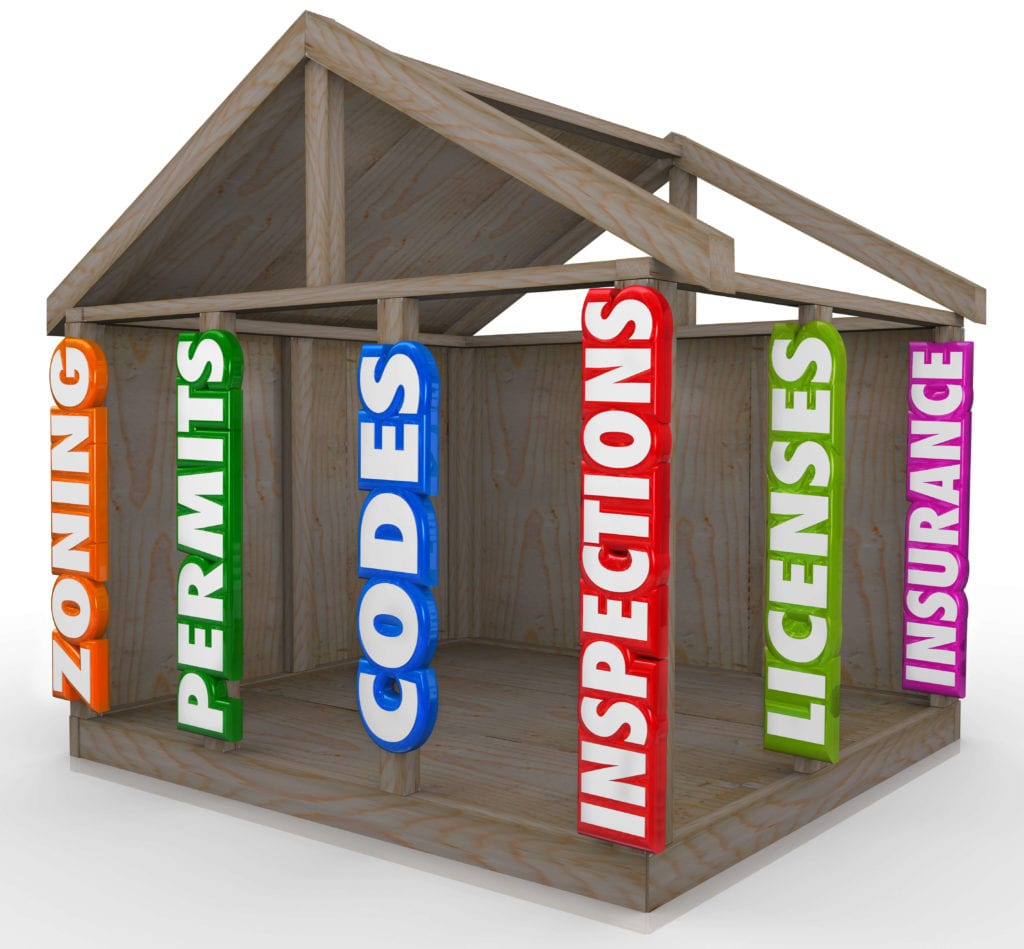
Types of Codes That May Apply
A single construction project often involves multiple regulatory layers, including:
- Structural and architectural guidelines
- Electrical installation standards
- Fire prevention and life-safety rules
- Plumbing and mechanical system requirements
Each set of rules addresses a specific safety or performance concern within the building.
What Happens If Requirements Are Ignored
Failure to comply can result in costly outcomes. These may include project delays, fines, or even complete reconstruction in severe cases. Following approved specifications such as those for commercial stairs and access systems—also plays a key role in preventing workplace injuries.
Environmental and Energy Considerations
Facilities involved in energy production or fuel handling may also be subject to additional environmental regulations. The Environmental Protection Agency establishes requirements focused on energy efficiency and environmental protection for certain operations.
No. Renovations, expansions, and major upgrades usually must meet current requirements.
Yes. Local jurisdictions may adopt different versions or add their own requirements.
Property owners, contractors, and project managers all share responsibility.
Yes. Work can be paused until identified issues are corrected.
Absolutely. Commercial and industrial buildings are subject to applicable safety and operational standards.