


A BTU (British Thermal Unit) is a unit of measurement used to quantify heat energy. It represents the amount of heat required to raise the temperature of one pound of water by one degree Fahrenheit.
This unit is widely used in the United States to measure heat output, fuel energy content, and the performance of heating or cooling equipment.
Why British Thermal Units Are Used
Energy sources such as natural gas, petroleum, and coal are measured in different physical units like gallons, cubic feet, or tons. Converting these measurements into a common energy unit allows analysts and engineers to compare fuel sources more accurately.
The U.S. Energy Information Administration (EIA) commonly uses this heat measurement to evaluate and compare the energy content of different fuels.
Using a standard energy measurement makes it easier to analyze energy consumption, efficiency, and fuel performance.
Energy Content Comparison of Major Fuels
Government agencies track energy usage by converting physical quantities of fuel into heat-energy equivalents. For example, energy consumption in the United States has been measured using the following approximate equivalents:
- Petroleum: 7.47 billion barrels – about 36.95 quadrillion units of heat energy
- Natural Gas: 29.96 trillion cubic feet – about 30.97 quadrillion units of heat energy
- Coal: 687.33 million short tons – about 13.24 quadrillion units of heat energy
These conversions help energy researchers evaluate how different fuel sources contribute to total energy consumption.
Where BTU Measurements Are Used
This heat measurement is commonly used in several industries, including:
- Heating and cooling systems (HVAC)
- Fuel and energy analysis
- Industrial power generation
- Oil and gas operations
- Residential heating equipment
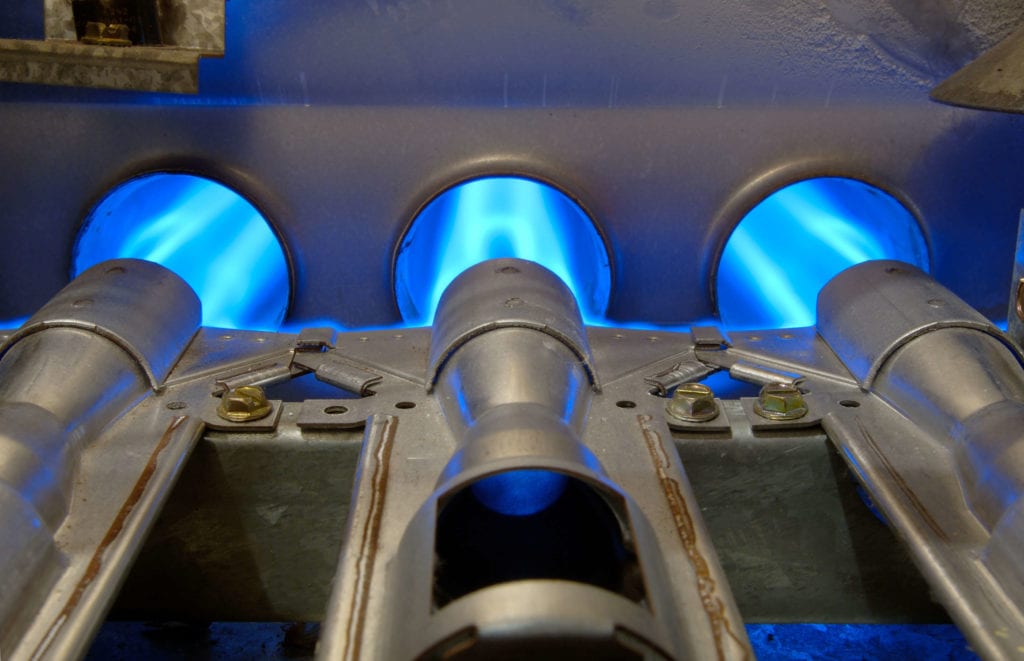
For example, furnaces, boilers, and air conditioners are often rated by their heat output capacity using this energy unit.
Importance in Energy Analysis
Standardized energy measurements help engineers, researchers, and policymakers evaluate fuel efficiency and overall energy demand. By comparing the heat content of various fuels, organizations can make better decisions about energy production, efficiency improvements, and environmental impact.
It stands for British Thermal Unit, a measurement used to quantify heat energy.
It allows different fuels to be compared using a common energy measurement.
While still recognized internationally, other regions often use joules or kilowatt-hours as energy units.
Common examples include furnaces, heaters, boilers, and air conditioning systems.