


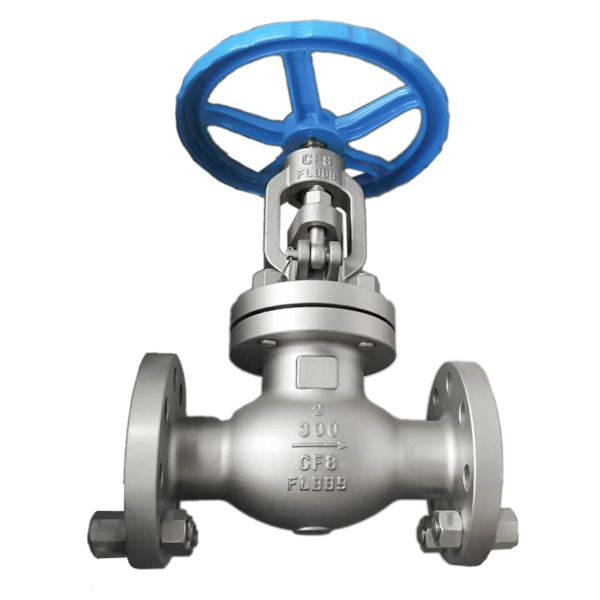
A block valve, also known as a shutoff valve, is a device use to stop or control the flow of liquids or gases in pipelines and storage systems. These valves are essential in industries like oil and gas, where precise flow control is critical for safety and operations.
How a Block Valve Works
- A block valve creates an on/off state for fluid flow
- When closed, it completely stops the flow
- When open, it allows fluid to pass through or be redirected
- Many shutoff valves are operated using solenoids (electromagnetic control) or automated systems
Key Functions of Block/Shuttoff Valves
- Stop fluid flow in pipelines or storage systems
- Direct products to different tanks or pipelines
- Provide emergency shutdown capability
- Enable manual override during power failures or system issues
Applications in Oil & Gas Industry
They are widely use in:
- Oil refineries and depots
- Fuel storage tank systems
- Pipeline distribution networks
- Offshore oil rigs (including underwater installations)
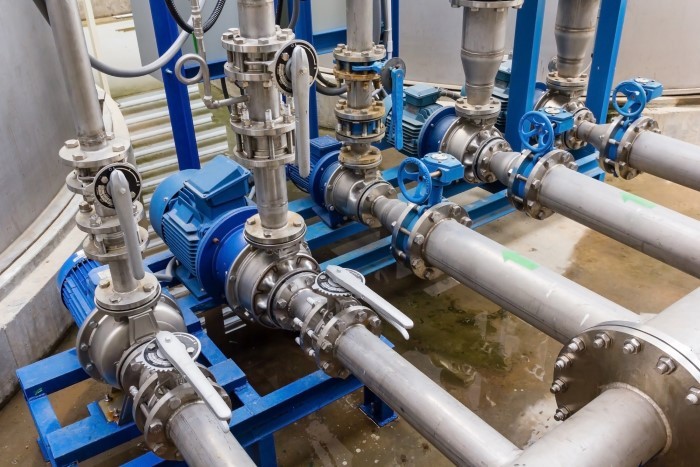
In complex facilities, multiple products like gasoline, diesel, jet fuel, and heating oil are store and distributed. Shuttoff valves ensure the correct product flows to the right destination, often through automated, computer-controlled systems.
Automation and Safety
- Modern systems use computer-controlled valves for precision
- Manual overrides are available for emergencies
- Offshore valves may require diver intervention if manual control is needed underwater
- Critical for maintaining safe and efficient operations
It is a shutoff device use to stop or control the flow of liquids or gases in a system.
They typically provide a full open or full close (on/off) function rather than regulating flow gradually.
Yes, many are electromagnetically or computer-controlled, though manual operation is also possible.
They are use in oil refineries, pipelines, storage tanks, and offshore rigs.
They ensure safe flow control, prevent leaks, and direct products accurately within complex systems.