


A boiling liquid expanding vapor explosion happens when a pressurized liquid inside a container is heated beyond its boiling point and the container can no longer hold the pressure. When this happens, the container suddenly ruptures, releasing vapor and energy in a violent explosion.
This type of explosion is commonly associated with pressurized vessels such as propane tanks, tanker trailers, railcars, and storage vessels.
What Causes a Boiling Liquid Expanding Vapor Explosion?
This event usually occurs when:
- A pressurized tank is exposed to extreme heat
- The liquid inside reaches or exceeds its boiling temperature
- The vessel becomes structurally weak due to heat stress
- Pressure relief systems fail or are overwhelmed
Mechanical damage, overfilling, or poor maintenance can also increase the risk by weakening the container.
Why Pressurized Containers Fail
When pressure inside a tanker trailer, railcar, or storage vessel continues to rise, the container walls can no longer withstand the stress. Once the metal fails, the sudden release of pressure causes rapid vapor expansion, resulting in an explosion.
If the liquid is flammable, the explosion may be followed by an intense fireball.
This is why road tanker safety procedures and thermal protection systems are critical when transporting pressurized liquids.
The Two-Stage Explosion Scenario
In some cases, the event occurs in two stages:
First Stage
- Combustible vapor escapes into a confined space
- The vapor mixes with air
- An ignition source triggers an explosion
Second Stage (More Severe)
- The initial explosion further weakens the heated container
- The vessel ruptures completely
- Vapor rapidly expands and ignites
Most incidents stop at the first stage, resulting in a loud explosion. However, second-stage failures can cause catastrophic damage.
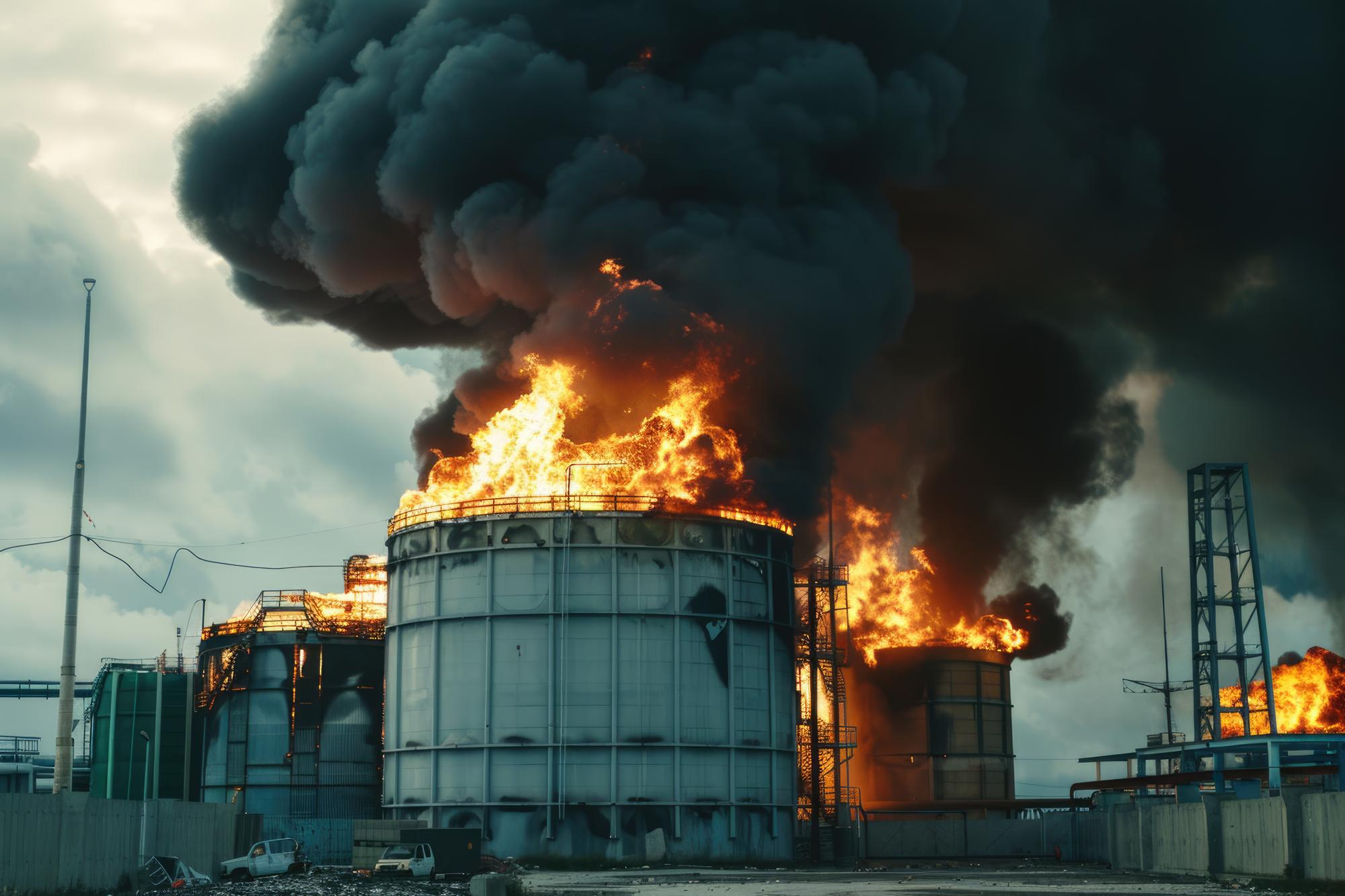
Why These Explosions Are So Dangerous
The force released can:
- Destroy buildings and infrastructure
- Cause severe injuries or fatalities
- Launch tank fragments over long distances
- Ignite surrounding vehicles or facilities
In extreme cases, a two-stage event can level an entire city block.
How These Risks Are Reduced
Industries reduce the risk through:
- Pressure relief valves
- Thermal protection coatings
- Proper filling limits
- Emergency response planning
- Strict transportation and handling regulations
Safety systems and procedures are essential when working with pressurized liquid containers.
It refers to a violent failure of a pressurized container caused by overheating and pressure buildup.
Yes. Fire often follows, but the explosion itself is caused by pressure release.
Yes. Propane tanks are one of the most common vessels involved due to flammable pressurized liquid.
They carry large volumes of pressurized liquid and are exposed to heat, impact, and transport stress.
Through proper tank design, pressure relief systems, safe filling practices, and strict safety procedures.