


A bi-fueled vehicle is designed to operate using two different fuel sources, allowing the operator to switch between fuels as needed. Most commonly, these vehicles use natural gas and gasoline, though some configurations support emerging biomass-based fuels.
Bi-fueled vehicles are equipped with separate fuel tanks and fill ports for each fuel type. The propulsion system is engineered to manage either fuel, and drivers can typically select the active fuel directly from the dashboard without interrupting vehicle operation.
This dual-fuel capability provides flexibility, improves fuel availability options, and can reduce reliance on a single energy source.
How Bi-Fuel Systems Are Used
Bi-fuel configurations are widely used in municipal, utility, and commercial fleets, where vehicles return to a central fueling location and operate on predictable routes. These use cases allow fleet managers to control fuel sourcing, reduce emissions, and manage operating costs more effectively.
According to the U.S. Energy Information Administration, alternative fuel adoption continues to expand as infrastructure improves and research advances across both public and private sectors.
Benefits of Bi-Fueled Vehicles
Organizations adopting bi-fuel technology often do so for a combination of operational and environmental reasons. Key benefits include:
- Reduced dependence on traditional petroleum fuels
- Lower tailpipe emissions compared to gasoline or diesel alone
- Fuel flexibility during supply disruptions
- Suitability for high-mileage fleet operations
- Support for domestically produced energy sources
The Touchstone Energy Cooperatives notes that fleet vehicles are particularly well-suited for alternative fuels due to centralized fueling and consistent usage patterns.
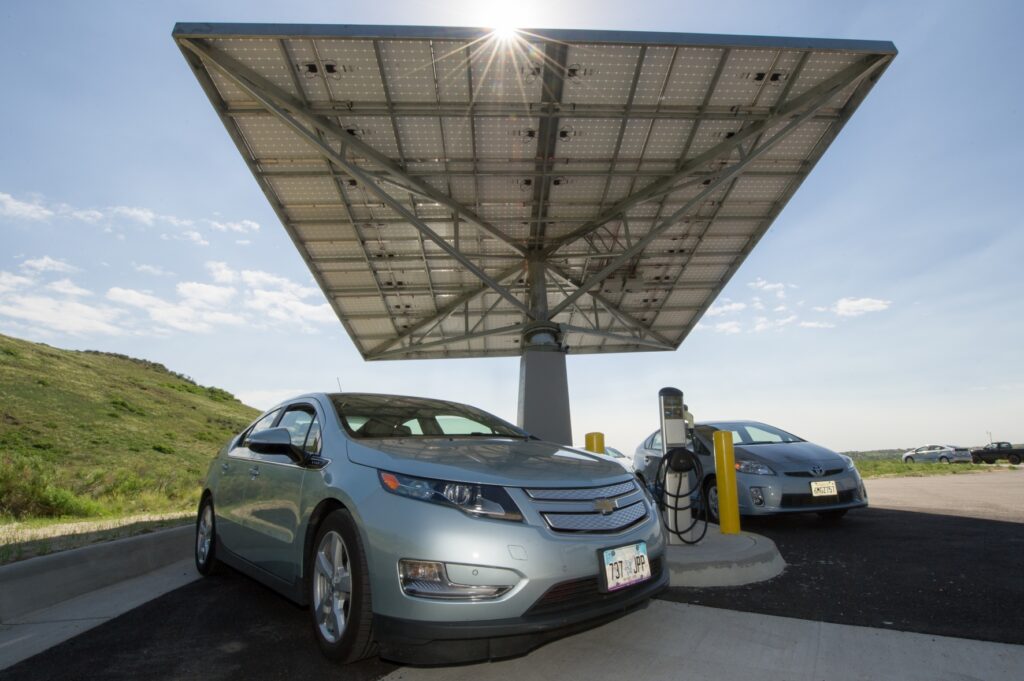
Role of Biomass and Alternative Fuels
Beyond natural gas and gasoline, research continues into biomass-based fuels derived from crops, algae, and wood byproducts. These fuel sources offer potential long-term advantages related to sustainability and domestic energy production.
The U.S. government, universities, and private companies are actively studying alternative fuel technologies to determine which options can scale safely, efficiently, and economically.
Resources such as Energy.gov provide mapping and data that show the growing distribution of biofuel production and fueling centers across the United States.
Infrastructure and Safety Considerations
As alternative and dual-fuel vehicles become more common, proper fueling infrastructure, spill control, and safe access systems are increasingly important. Facilities supporting bi-fueled fleets must manage multiple fuel types while maintaining environmental and workplace safety standards.
Well-designed fueling areas, containment solutions, and maintenance access platforms help reduce risk and support reliable fleet operations.
Most bi-fueled vehicles operate using natural gas and gasoline, though some systems are being developed to support biomass-based fuels.
Yes. In most designs, the driver can switch between fuel sources using a dashboard control without stopping the vehicle.
No. While municipal fleets are common users, utilities, delivery companies, and commercial operators also use bi-fuel vehicles.
Compared to traditional gasoline or diesel vehicles, bi-fuel systems often produce lower emissions, particularly when operating on natural gas or bio-based fuels.
Yes. Facilities typically need dedicated fueling systems, safety controls, and proper containment measures for each fuel type.