


A barrel is the standard unit of measurement for crude oil and petroleum products in the United States. One barrel contains 42 U.S. gallons (35 Imperial gallons). This measurement remains the basis for modern petroleum production, distribution, and pricing.
The 42-gallon barrel’s origins trace back to wine storage in 15th-century England. During King Richard III’s reign (1483–1495), royal decrees standardized barrel sizes:
- Tierce: 42 gallons
- Puncheon: 84 gallons
These regulations simplified commerce by creating consistent container sizes. Skilled coopers, called “tight co-opers,” produced watertight barrels for liquids, while less experienced “slack co-opers” made barrels and containers for dry goods.
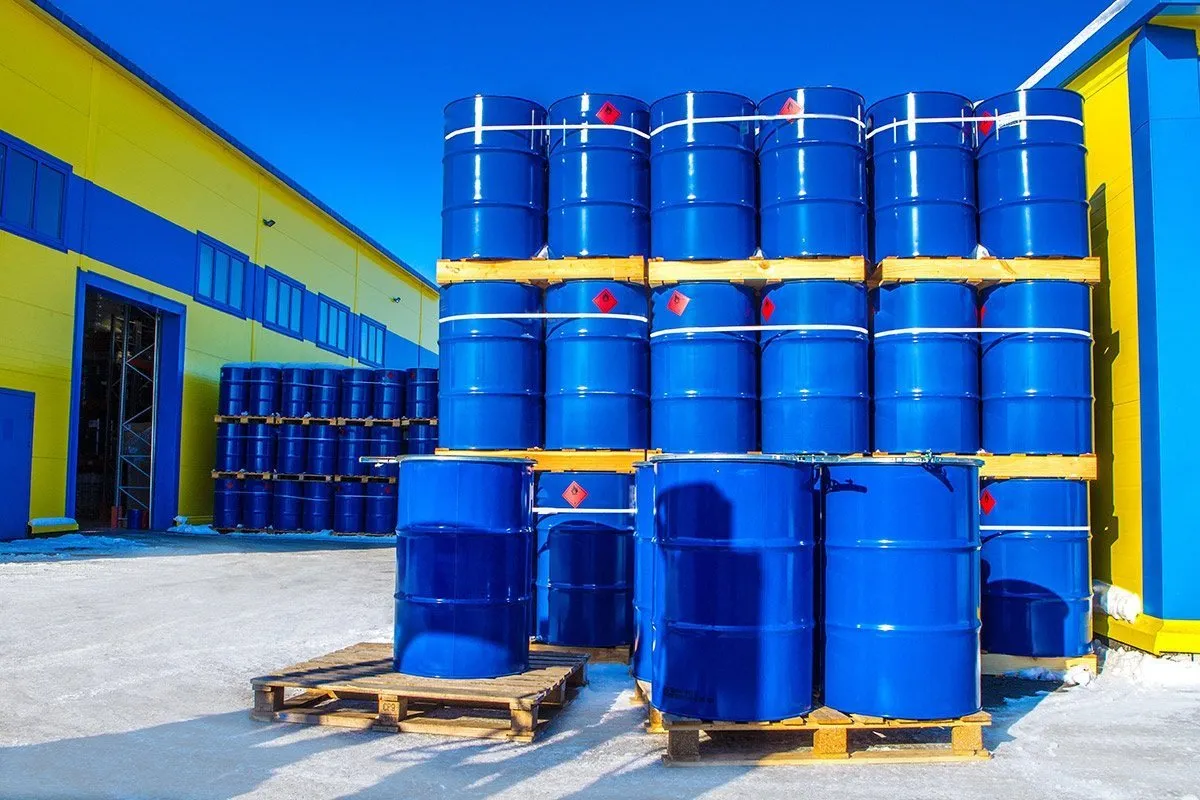
When Edwin Drake drilled the first oil well in Pennsylvania in 1859, the emerging oil industry adopted wooden barrels for transporting crude. Producers quickly realized that:
- Barrels larger than 42 gallons were too heavy for manual handling and horse-drawn wagons.
- Barrels smaller than 42 gallons increased transport costs and reduced efficiency.
By 1866, 42 gallons became the practical standard, and the Petroleum Producers Association officially recognized it in 1872. Later, the US Geological Survey and the US Bureau of Mines reinforced this standard. Today, this historical standard still underpins crude oil pricing and distribution worldwide.
Why a Barrel Matters in the Oil Industry
The barrel plays a crucial role in production, refining, and logistics:
- Crude Oil Transport – Standardized barrels simplified stacking, handling, and shipping across pipelines, wagons, and railcars.
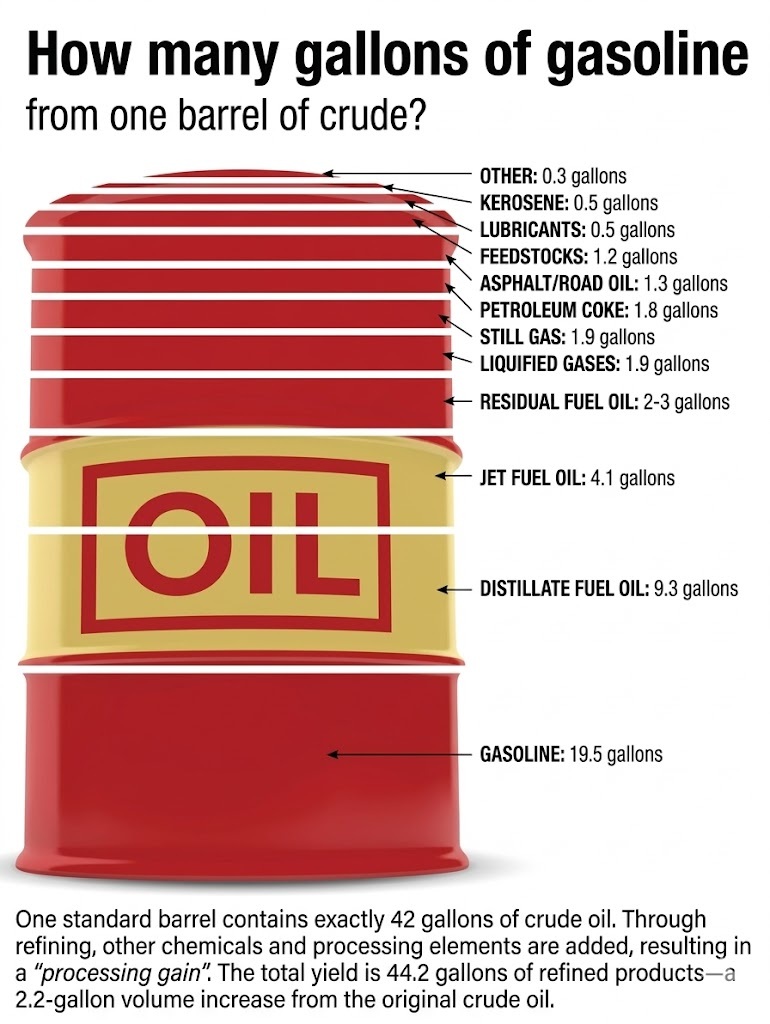
- Refining Output – One 42-gallon barrel of crude oil produces fuels like gasoline, diesel, and jet fuel, along with petrochemical feedstocks.
- Trading and Pricing – Global oil markets reference the barrel as a unit of measure, making it central to commodity pricing.
Design and Materials
Historically, They were made from sturdy oak staves bound by iron hoops, ensuring they were:
- Watertight – preventing leaks of valuable liquids.
- Durable – able to survive long-distance transport.
- Stackable – optimizing space in wagons, railcars, and storage facilities.
Modern petroleum transport often uses steel or plastic drums for safety and efficiency, but the 42-gallon standard remains unchanged.
Interesting Facts About Oil Barrels
- The 42-gallon size produces a load weight of roughly 300 pounds when filled with crude oil.
- Early Pennsylvania oil fields had multiple sizes, causing logistical headaches before standardization.
- The 42-gallon barrel helped establish industrial organizations like The Worshipful Company of Coopers, which trained generations of skilled coopers.
- Today, this is not just a container but also a unit of measurement for energy content, trading, and refining calculations.
The 42-gallon size balances weight, portability, and efficiency, making it optimal for manual handling and transport in early oil logistics.
The Petroleum Producers Association in 1872, later reinforced by the US Geological Survey and US Bureau of Mines.
A 42-gallon barrel of crude can yield approximately 19–20 gallons of gasoline, with the remainder converted into diesel, jet fuel, lubricants, and petrochemicals.