


Ballast refers to added weight or supporting material used to stabilize structures, vehicles, or storage systems. In industries like fuel storage, rail transport, and marine operations, It plays a critical role in maintaining balance, safety, and structural integrity.
Ballast in Fuel Storage
In the fuel storage industry, It refers to the weight of backfill material placed around underground storage tanks.
- Keeps tanks stable and secure
- Prevents tanks from shifting or floating when groundwater levels rise
- Must comply with Environmental Protection Agency (EPA) guidelines for safety and environmental protection
Usage in Rail Systems
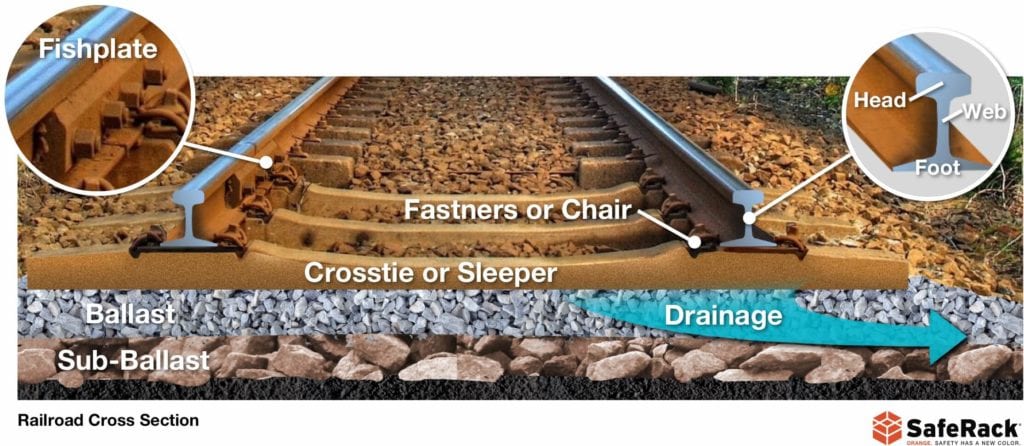
In rail applications, It consists of crushed rock placed beneath railroad tracks.
- Provides support and load distribution
- Acts as a cushion to absorb vibrations
- Helps maintain track alignment and drainage

Ballast in Ships and Aircraft
It is also use in transportation systems to maintain proper balance:
- Ships: Use seawater as ballast to maintain stability and proper weight distribution
- Aircraft: Use added weight to ensure balance during operation
Why It Is Important
- Enhances stability and safety across multiple industries
- Prevents structural issues caused by movement or imbalance
- Ensures compliance with environmental and engineering standards
It is added weight or material use to stabilize tanks, tracks, ships, or aircraft.
It prevents tanks from floating or shifting due to groundwater pressure, ensuring long-term stability.
Railway ballast is typically made of crushed stone or rock placed under tracks for support and drainage.
Ships use seawater as ballast to maintain balance and stability during loading and unloading.
Yes, organizations like the EPA provide guidelines for ballast used in fuel storage to ensure environmental safety