


Backpressure is the resistance that a fluid faces while moving through pipes, valves, fittings, and equipment in a fluid distribution system.
In simple terms, backpressure answers one question:
How much pressure is needed to push a fluid from the tank to the nozzle?
Backpressure is created by friction and resistance inside the system. Engineers must apply enough pressure to overcome this resistance so the fluid can flow properly and safely.
How Backpressure Is Created
Backpressure occurs due to several factors inside pipelines and fluid systems:
- Friction between the fluid and pipe walls as the fluid moves forward
- Resistance between layers of the fluid itself, especially in thick or viscous fluids
- Fittings, bends, valves, and flow meters that slow down the flow
- Distance traveled from the storage tank to the dispensing point
- Elevation changes, where uphill movement increases resistance
- Pipe size and layout, which affect flow efficiency
Because of these factors, pumps must generate enough pressure to keep the fluid moving.
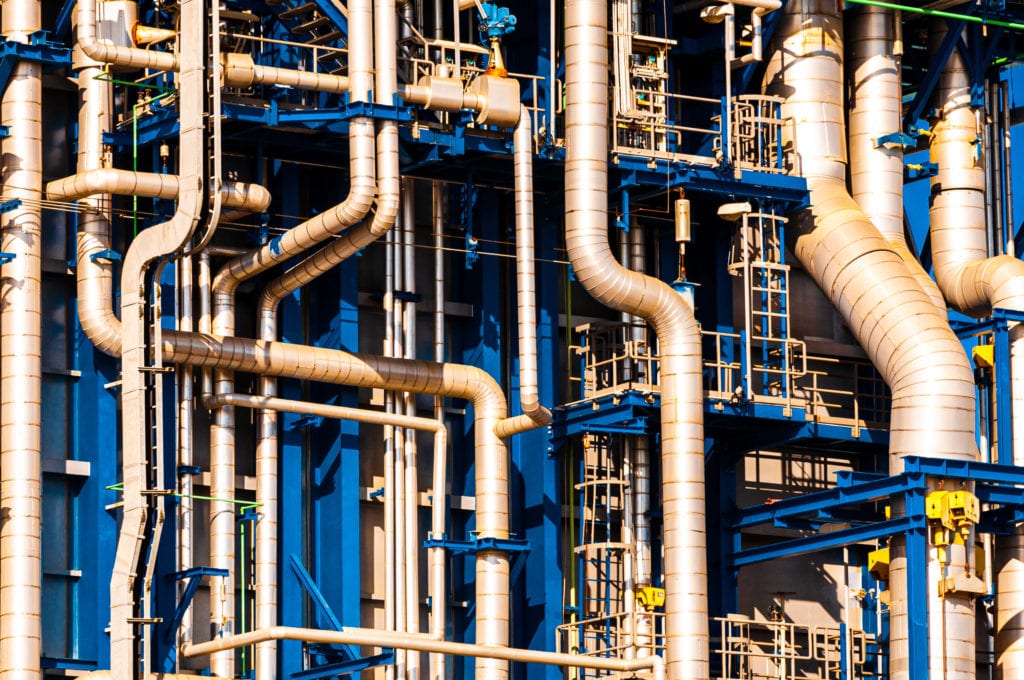
Backpressure for oil pipelines
Why Backpressure Is Important
Backpressure plays a critical role in fluid system safety and performance:
- Ensures steady and controlled fluid flow
- Prevents system damage caused by low or excessive pressure
- Helps engineers calculate safe tank and pump pressures
- Allows systems to use gravity and fluid weight efficiently
- Prevents flow from slowing down or stopping completely
If backpressure is too low, the fluid may not reach the endpoint.
If it is too high, it can damage pipes, valves, or pressure vessels.
Back pressure in Fuel and Oil Systems
In crude oil and fuel facilities, backpressure is required to move fuel from the tank through pipelines and finally to the fill nozzle. Increasing pressure pushes the fluid faster, while reducing pressure slows the flow.
Engineers carefully calculate backpressure using system design, fluid viscosity, elevation, and distance similar to how buoyant force works in the Archimedes Principle.
Back pressure is the resistance that slows down fluid as it moves through pipes and equipment.
Friction in pipes, bends, valves, elevation changes, distance, and fluid thickness all create back pressure.
Yes. Without it, fluid flow cannot be controlled or maintained properly.
Too much back pressure can damage pipes, pumps, valves, and other system components.
Engineers adjust pump pressure, pipe size, system layout, and use gravity to manage back pressure safely.