


Backflow is an oil and gas industry term used to describe the unintended movement of fluids from one pressure zone to another. This condition commonly occurs during well testing or hydraulic fracturing when pressure in a wellbore or formation exceeds pressure in an adjacent zone.
In industrial energy operations, pressure imbalance is the primary driver of this occurrence. Proper system design and containment planning are essential to prevent environmental and operational risks.
Backflow During Fracturing Operations
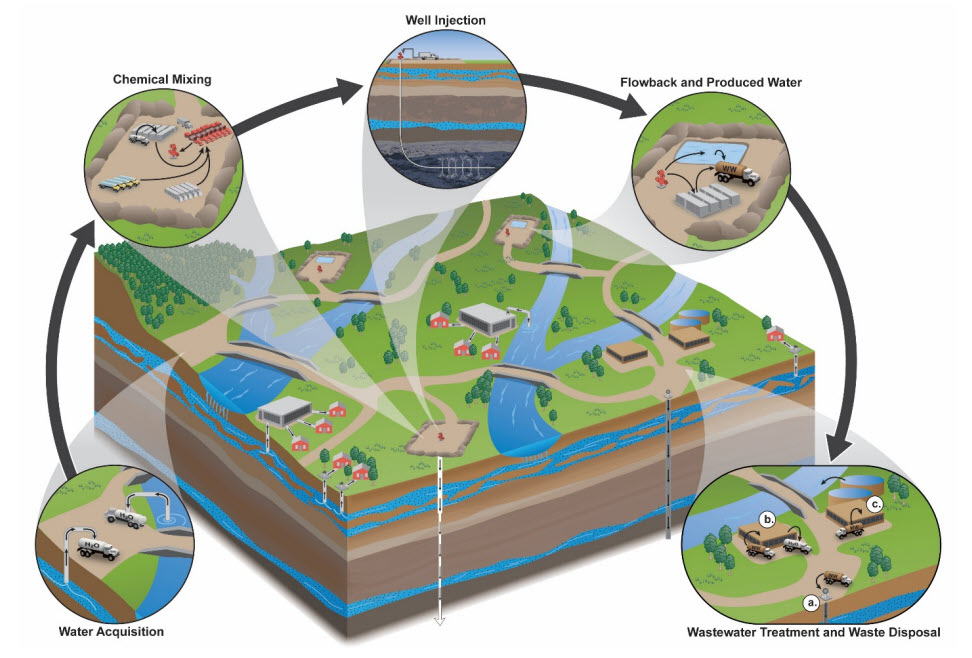
In hydraulic fracturing environments, fluids used during drilling and stimulation may reverse direction due to pressure changes within the well. These fluids can include water, proppants, and chemical additives designed to stabilize or enhance extraction performance.
When pressure is not adequately managed, recovered fluids must be redirected to remediation or treatment areas for proper handling and disposal.
Environmental and Regulatory Considerations
Industrial backflow events are closely monitored due to their potential impact on surrounding soil and groundwater. Protection of underground water sources, including aquifers, is a major concern for regulators.
The Environmental Protection Agency routinely inspects drilling locations and nearby water sources to ensure that fluid migration does not contaminate groundwater systems.
Spill containment strategies and secondary barriers are commonly implemented at well sites to mitigate environmental exposure and maintain regulatory compliance.
Spill Containment and Safety Practices
Drilling operators deploy containment systems to manage unexpected fluid movement during testing and production activities. These systems help isolate fluids, reduce surface exposure, and support safe recovery processes.
Preventive planning, pressure monitoring, and containment infrastructure all contribute to safer operations and reduced environmental risk.
Pressure imbalances between underground zones can occur during drilling, testing, or stimulation activities, leading to unintended fluid transfer.
Containment prevents fluids from spreading into surrounding soil or water systems and supports environmental compliance.
Without proper controls, subsurface water sources may be exposed. This is why monitoring and protective systems are required near sensitive areas.
Agencies such as the Environmental Protection Agency and Occupational Safety and Health Administration establish and enforce standards related to safety and environmental protection.