


An automotive lift is a hoisting platform designed to raise vehicles, allowing technicians safe access to the underside for inspection, repair, and maintenance. These lifts are a core part of commercial and industrial maintenance shops, especially facilities that manage vehicle fleets.
When a business maintains its own fleet safety equipment around automotive lifts becomes a critical operational and compliance concern.
How Automotive Lifts Are Powered
Automotive lifts operate using different power systems, including:
- Hydraulic systems
- Electrical power
- Compressed air
Because of these power sources, maintenance shops often contain air compressors, hydraulic fluids, and electrical generators, all of which increase the need for properly designed work platforms, stairs, and safety controls.
Safety Requirements in Fleet Shops
Automotive lift areas are closely regulated. Occupational Safety and Health Administration provides detailed guidelines covering:
- Lift installation and maintenance
- Employee access and movement around lifts
- Fall protection and shop layout
- General fleet shop safety practices
Compliance is not optional, inspections focus heavily on employee safety.
What OSHA Inspectors Look For
During fleet shop inspections, OSHA inspectors evaluate conditions that could place workers at risk, including:
- Imminent fall or crush hazards
- Unsafe access to elevated work areas
- Poorly maintained lift systems
- Missing or outdated safety equipment
Inspectors assess whether physical conditions could reasonably be expected to cause injury or death to employees.
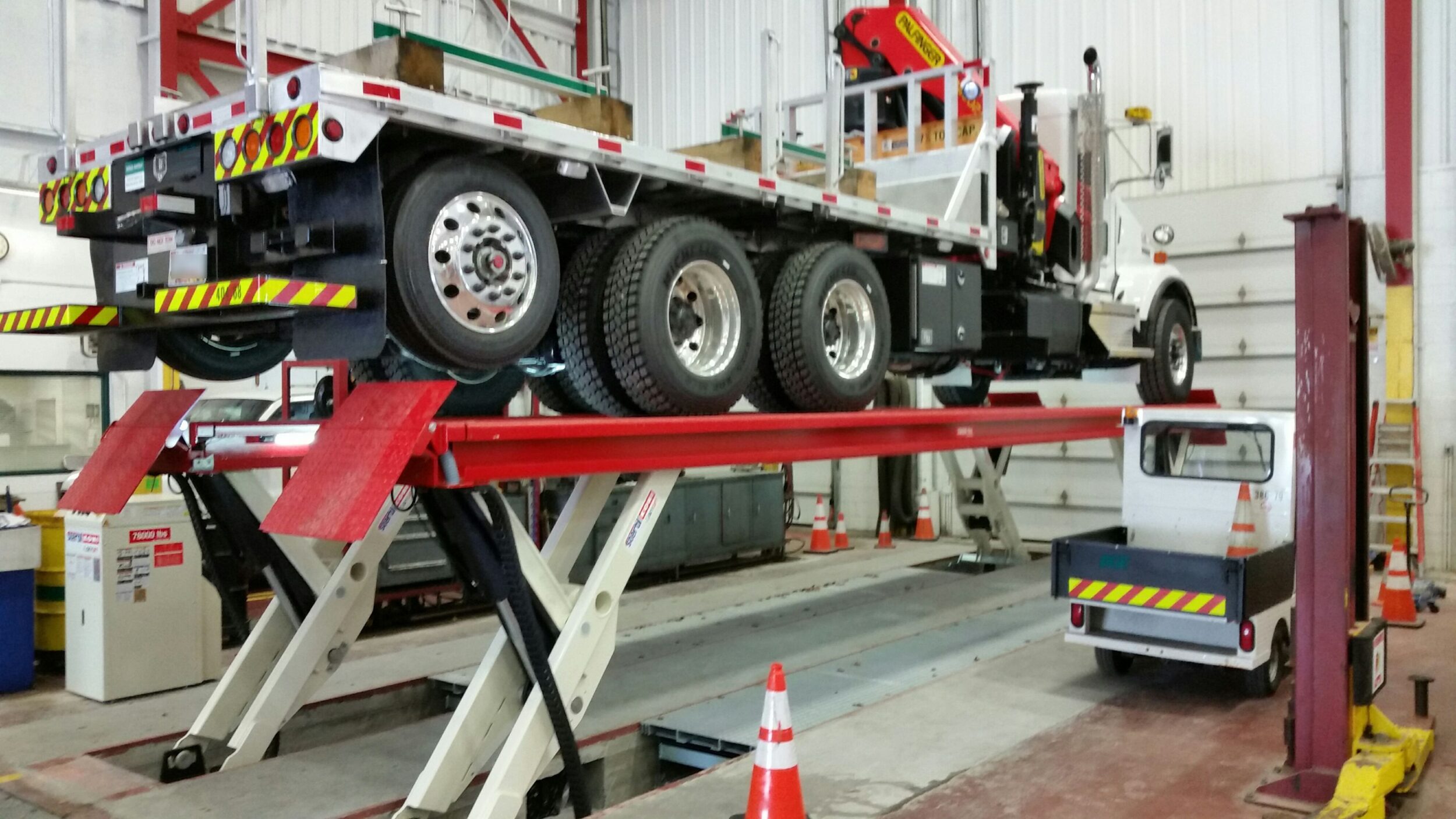
Keeping Fleet Shops Compliant
Companies can reduce risk and avoid fines by:
- Updating fleet safety equipment to current standards
- Installing compliant access platforms and fall-prevention tools
- Conducting regular safety audits
Modern safety solutions, such as compliant brake sticks and access systems, help address common OSHA concerns before they become violations.
Professional Safety Audits
Organizations like SafeRack offer safety audits to evaluate existing shop conditions and recommend corrective actions. Proactive improvements not only protect workers but also help prevent costly penalties.
In Simple Terms
An automotive lift:
- Raises vehicles for maintenance access
- Requires strict safety controls
- Is a major focus during OSHA inspections
- Demands up-to-date fleet safety equipment