


An automatic fuel nozzle is a device used at gas stations and fuel depots to safely dispense fuel into vehicles and storage tanks. The diesel nozzle automatically stops the flow of fuel when the tank becomes full, preventing spills and fuel waste.
This automatic shutoff system relies on a check valve mechanism that detects changes in airflow inside the tank. When the tank reaches capacity, the system closes the valve and stops the fuel transfer.
Modern fueling systems combine automatic nozzles with vapor recovery technology, which significantly reduces gasoline evaporation and environmental emissions.
How an Automatic Fuel Nozzle Works
This nozzle uses airflow and pressure changes to detect when a tank is full.
- Fuel begins flowing into the tank through the nozzle.
- Air inside the tank escapes while the fuel level rises.
- Once the tank fills, the airflow path becomes blocked.
- The nozzle senses the airflow change and automatically closes the valve, stopping the fuel flow.
This mechanism prevents overfilling, spills, and fuel loss during fueling operations.
Design and Durability
Manufacturers design this nozzles for continuous use and extreme durability. Fuel stations and industrial fueling locations rely on these devices for daily operations.
Key design characteristics include:
- Heavy-duty construction for frequent use
- Resistance to fuel exposure and environmental conditions
- Durable seals and valves
- Strong hose connections for safe fuel transfer
Because fueling equipment experiences constant handling, these components must withstand wear, misuse, and heavy operational demand.
The Safety Features In an Automatic Fuel Nozzle
Automatic fuel nozzles include several built-in safety features that protect both equipment and operators.
Automatic Shutoff System
The nozzle stops fuel flow when the tank becomes full, preventing spills and overflow.
Breakaway Hose Connection
Many fueling systems include a breakaway coupling. If a driver accidentally pulls away while the nozzle remains connected, the hose disconnects safely without damaging the pump.
Vapor Recovery Systems
Many automatic fuel nozzles operate within vapor recovery systems. These systems capture fuel vapors and return them to storage tanks. This process:
- Reduces fuel loss
- Improves air quality
- Enhances environmental protection
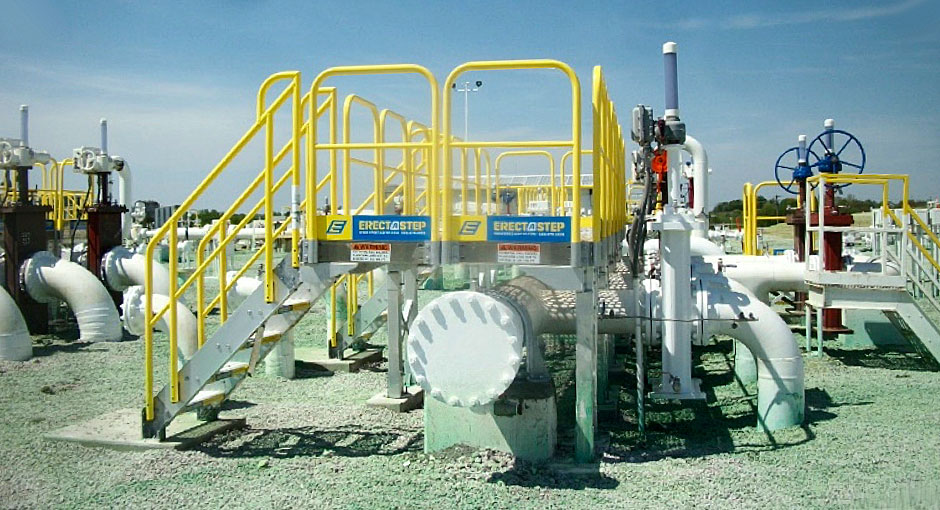
Industrial Fueling Safety
In industrial environments, fueling operations often occur on elevated loading platforms when filling fuel trucks or rail tank cars. Facilities use safety equipment such as:
- OSHA-compliant loading platforms
- Safety gates and guardrails
- Fall protection systems
- Vapor recovery loading arms
These safety measures help protect workers during bulk fuel transfer operations.
Benefits of This Nozzles
This nozzles provide several advantages for fueling operations:
- Prevent fuel overfilling and spills
- Improve environmental protection
- Reduce gasoline evaporation
- Enhance operational safety
- Increase efficiency in fueling stations and depots
Because of these benefits, automatic nozzles remain standard equipment in modern fueling systems.
This nozzle dispenses fuel and automatically stops the flow when the tank becomes full.
The nozzle senses a change in airflow caused by the rising fuel level, which triggers the shutoff valve.
Vapor recovery systems capture fuel vapors and return them to storage tanks, reducing emissions and product loss.
They are commonly used in gas stations, fuel depots, and industrial fuel loading facilities.