


Autogas is a clean alternative fuel, specifically LPG (liquefied petroleum gas), commonly used in internal combustion engines. It is a mixture of propane and butane. Municipalities and organizations are increasingly converting fleet vehicles, buses, emergency response vehicles, and public works vehicles, to run on it due to cost savings and environmental benefits.
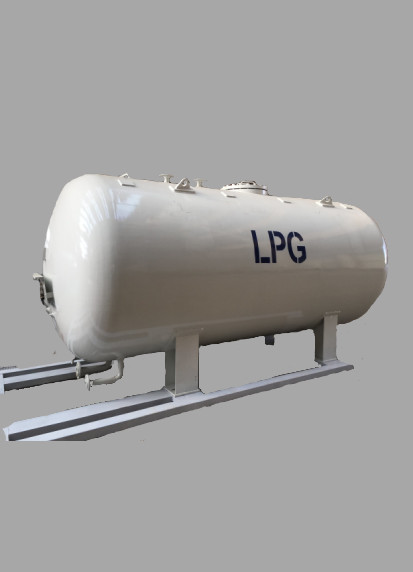
It is typically stored in above-ground storage tanks, though some systems use underground tanks. Safe and compliant installation of these tanks is essential to meet OSHA and EPA regulations. Saferack provides safety equipment, loading platforms, and compliance solutions to ensure safe autogas operations.
Benefits of Autogas
- Burns cleaner than gasoline or diesel, making it an environmentally friendly alternative
- Reduces fuel costs for municipal and commercial fleets
- Can be integrated into existing fueling infrastructure with proper safety equipment
Key Considerations for Fleet Conversion
- Above-Ground Storage Tanks – Plan for installation and safety compliance. Local LPG dealers may offer incentive programs.
- Regulatory Compliance – Ensure all storage and refueling areas meet EPA guidelines.
- Worker Safety – Maintain OSHA-compliant equipment and practices when handling autogas.
- Integration with Existing Infrastructure – Saferack can design safety solutions that complement existing below-ground or above-ground fueling systems.
By carefully planning autogas conversions, fleets can achieve operational efficiency, reduce environmental impact, and save on fuel costs.
Most internal combustion vehicles can be converted to run on LPG. Municipal fleets, buses, and emergency response vehicles are ideal candidates.
It is stored in either above-ground or underground storage tanks with proper safety measures and compliance standards.
It burns cleaner than gasoline or diesel, producing fewer pollutants and reducing greenhouse gas emissions.
Local LPG dealers and safety solution providers like Saferack help maintain OSHA and EPA compliance for autogas fueling areas.
Yes, older gasoline vehicles can be converted safely with proper equipment, planning, and regulatory compliance.