


An attended facility is a fuel location such as a fuel depot or gas station where trained staff are present to monitor and oversee fuel transfers. These employees help ensure fuel is loaded or unloaded safely when delivery trucks arrive.
In contrast, unassisted facilities operate without on-site staff, relying instead on automated systems and trained drivers to manage fuel movement.
How Attended and Unattended Facilities Differ
At attended locations, staff may:
- Supervise fuel transfers
- Monitor safety conditions
- Respond quickly to spills or equipment issues
Many modern fuel terminals operate with limited staffing, meaning attendants may only be present during business hours. Outside those hours, drivers often load or unload fuel independently using access cards or mobile applications that track quantities and transactions automatically.
State Regulations and Fuel Pumping Rules
Fuel transfer rules vary by state. Most U.S. states allow customers to pump their own fuel at unattended stations. However, New Jersey and Oregon have historically maintained stricter requirements, where fuel dispensing is typically handled by an attendant rather than the customer.
These regulations are designed to reduce fire risks, spills, and improper handling.
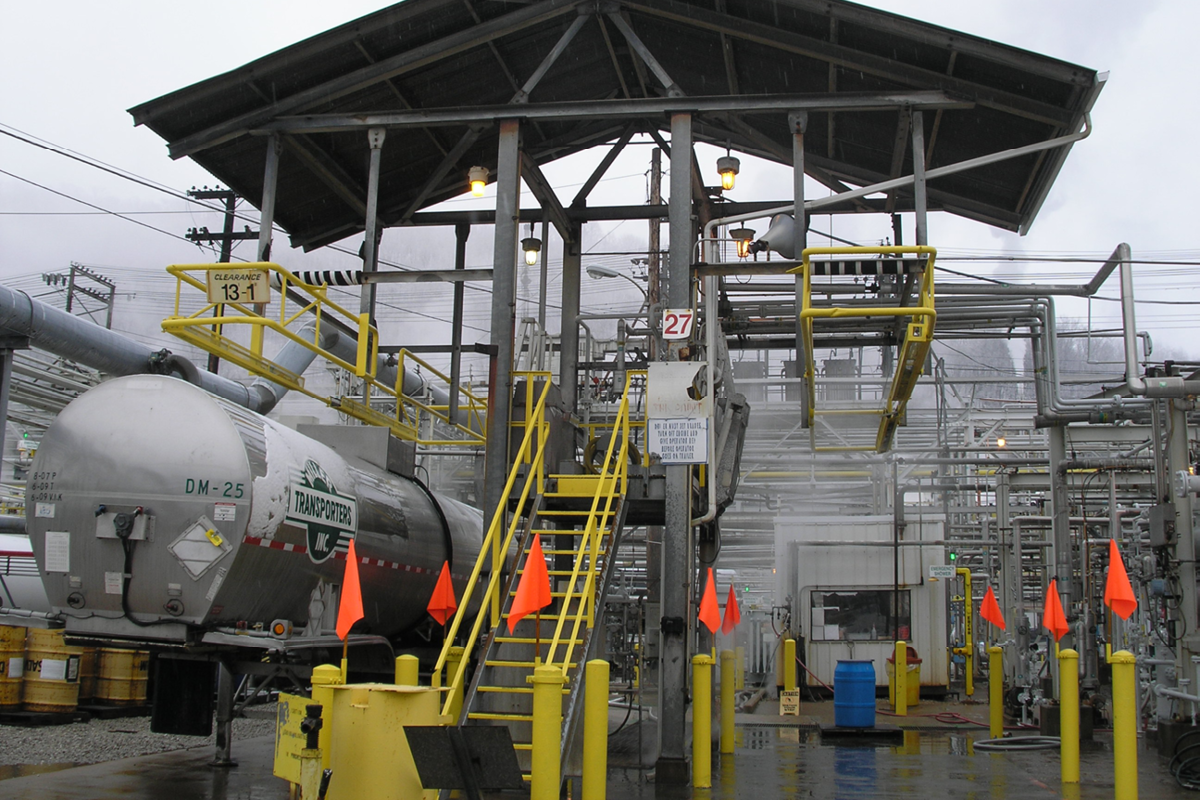
Commercial Fuel Terminals and Their Role
Attended fuel terminals primarily serve commercial accounts, not the general public. These include:
- Gas station supply companies
- Municipal vehicle fleets
- Heating oil distributors
Heating oil terminals, in particular, focus on bulk deliveries for residential and commercial heating providers rather than retail fuel sales.
Most terminals are strategically located near rail lines or ports, allowing them to receive fuel in large volumes before distributing it locally.
Safety, Spill Response, and Accountability
Drivers operating at fuel facilities are trained in basic fuel-handling procedures and know how to respond if a spill occurs. Regulatory guidance for spill response and reporting is provided by the Environmental Protection Agency.
In many cases, spill reporting is mandatory. Incidents may need to be reported to the National Response Center, which serves as the federal point of contact for environmental emergencies.
The Shift Toward Automation
Fully attended fuel terminals are becoming less common. Automated accounting systems now handle:
- Fuel quantity tracking
- User authentication
- Transaction logging
Magnetic strip cards and mobile apps have largely replaced manual paperwork, improving accuracy and reducing delays while maintaining accountability.
They are becoming less common due to automation, though some facilities maintain staff during peak hours.
Yes, at many commercial terminals drivers are authorized to load fuel independently using controlled access systems.
Primarily commercial users such as fuel distributors, gas stations, and municipal fleets.
Spills must be handled according to regulatory guidelines and may require reporting to federal authorities.