


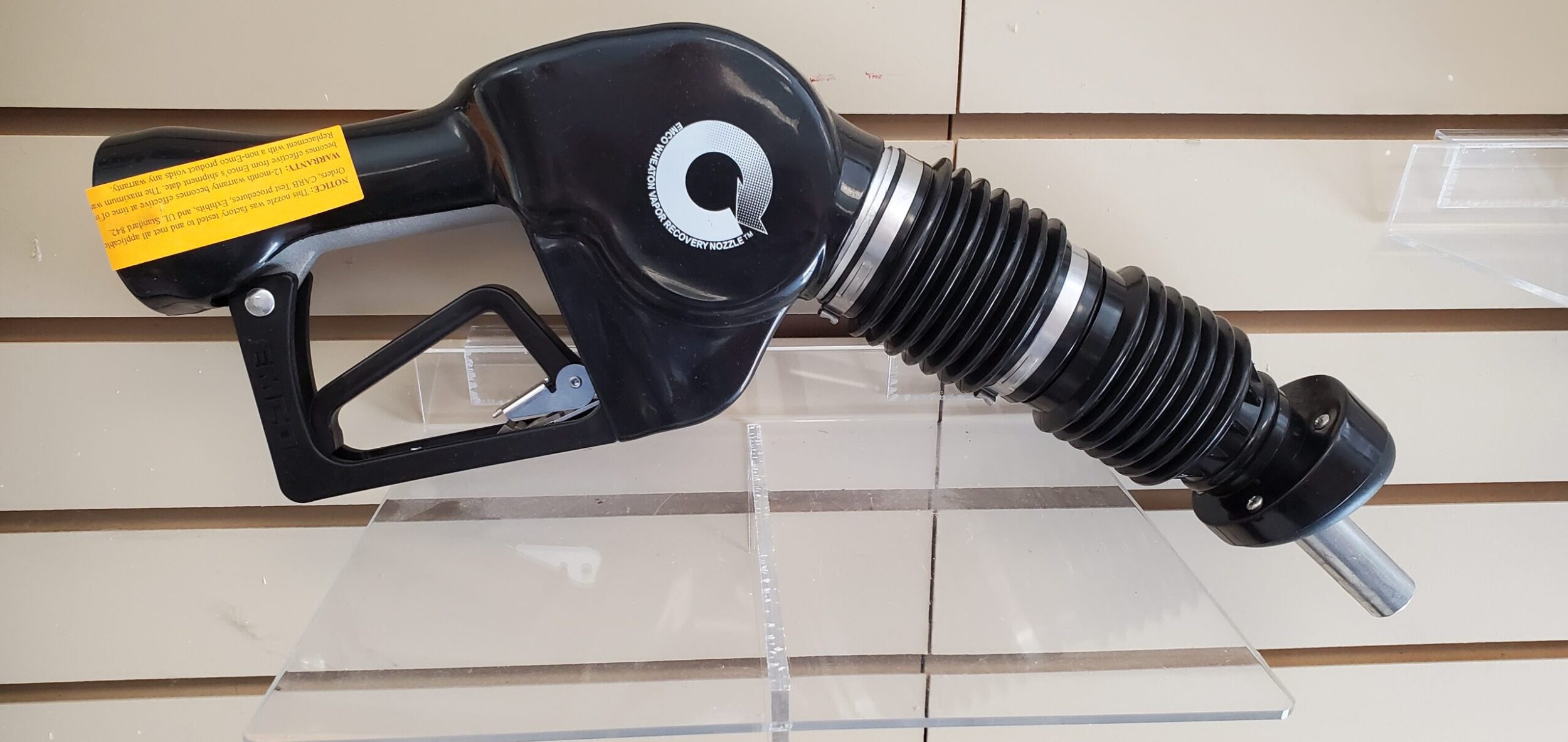
GaAn aspirator is a key part of gasoline vapor recovery systems used during fuel dispensing. Its main purpose is to capture gasoline vapors that are released at the balance stage recovery nozzle and prevent them from escaping into the air.
Fuel vapors that are not captured become lost product, which increases costs and contributes to air pollution.
How an Aspirator Works
This system uses controlled suction to pull vaporized fuel back into the source tank while gasoline is being dispensed. Instead of allowing vapors to escape into the atmosphere, they are safely returned to the storage system.
Any vapor that escapes this process is considered product loss.
Where Aspirator Systems Are Used
These systems are widely installed at:
- Retail fueling stations
- Fuel depots
- Bulk fuel handling facilities
Most modern fuel facilities rely on vapor recovery systems to meet environmental and safety requirements.
Why Vapor Recovery Is Important
Gasoline begins to evaporate immediately after it is refined. This evaporation continues throughout the fuel’s lifecycle, including:
- Transfer to tanker trucks
- Pumping at fuel depots
- Distribution to gas stations
- Filling underground tanks
- Dispensing into vehicles
- Storage inside a vehicle’s fuel tank
Because fuel naturally evaporates at every stage, it is often described as a wasting asset. Recovery systems help reduce these losses.
Environmental and Cost Benefits
Effective vapor recovery offers several advantages:
- Reduces fuel loss due to evaporation
- Improves air quality by limiting emissions
- Helps facilities comply with environmental regulations
- Protects profitability by retaining sellable product
California was one of the first states to require vapor recovery systems by law, and its emissions standards are among the strictest in the United States.
It captures gasoline vapors during dispensing and returns them to the storage tank.
They are found at most fueling stations and fuel distribution facilities.
Escaped vapors result in lost product, higher costs, and increased emissions.
Many states require them, with California leading in strict enforcement.