


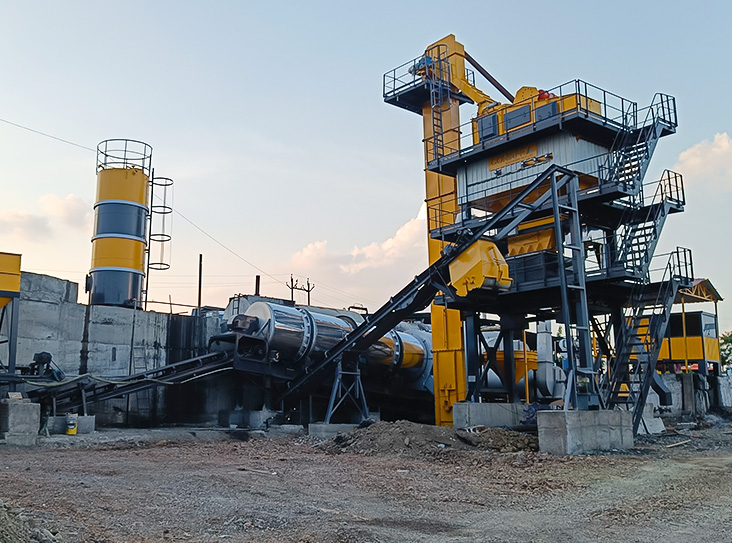
Asphalt batching is the process of heating, mixing, and preparing asphalt materials in controlled quantities for use in construction and manufacturing. This process takes place in special bulk plants where raw materials are combined and heated to high temperatures to produce a consistent asphalt mix. Although traditional batching methods are still used, the industry has gradually shifted toward continuous mix systems for higher production efficiency.
How Asphalt Batching Works
Asphalt batching involves producing asphalt in specific batches, where each mix is carefully measured and processed before the next one begins.
- Heating: Asphalt and aggregates are heated, often above 600°F, to achieve proper viscosity.
- Measuring Materials: Precise quantities of aggregates and binders are added.
- Mixing Process: Materials are blended to create a uniform asphalt mixture.
- Batch Production: Each batch is produced separately for controlled quality.
This method ensures consistency and allows customization of asphalt mixes to meet project requirements.
Most Asphalt products are now made at Continuous Mix Asphalt Batching Facilities
Continuous mix type plants emerged in the early 1970s as a viable option to batch plants. A typical batch facility produced 150 to 300 tph whereas continuous mix plants produced 300 to 500 tph. The first drum plants capable of producing high tonnages were parallel flow design systems, where aggregate flow was parallel to the direction of the heat source. –Asphalt Magazine – Ed Misajet
The asphalt industry remains strong and extends beyond applications such as under-tank coatings. Roads continue to be paved using advanced asphalt concrete mixes, which are typically produced in continuous mix facilities. These modern asphalt formulations are specifically engineered to perform in the environments where they are applied. For example, certain mixes are designed for colder northern regions, where frost heaves are common, while others are developed for areas that experience consistently high temperatures. Cities like Las Vegas often face challenges with asphalt coatings due to extreme heat that can approach softening or melting points. Additionally, porous asphalt and perpetual pavement are two specialized asphalt products that continuous mix facilities can produce for commercial paving applications.
Applications
- Road Construction: Producing asphalt for highways, streets, and parking lots.
- Infrastructure Projects: Bridges, runways, and heavy-duty pavements.
- Industrial Manufacturing: Creating specialized asphalt coatings and materials.
- Custom Mix Production: Developing asphalt blends for specific climates and conditions.
Benefits
- High Quality Control: Each batch is precisely measure and test.
- Customization: Allows production of specialized mixes for different environments.
- Consistency: Ensures uniform material quality across batches.
- Flexibility: Suitable for projects requiring varied asphalt formulations.
Modern Industry Trends
While asphalt batching remains important, many facilities are transitioning to continuous mix systems. These newer systems produce asphalt more efficiently and in larger quantities, making them suitable for high-demand projects. However, batching is still prefer where precision and mix customization are critical.
Asphalt batching is the process of producing asphalt in controlled batches by heating and mixing materials.
Yes, although many facilities now use continuous systems, batching is still used for precision mix.
It ensures consistent quality and allows for customized asphalt mixes.
Asphalt is typically heat to high temperatures, often exceeding 600°F, during the process.