


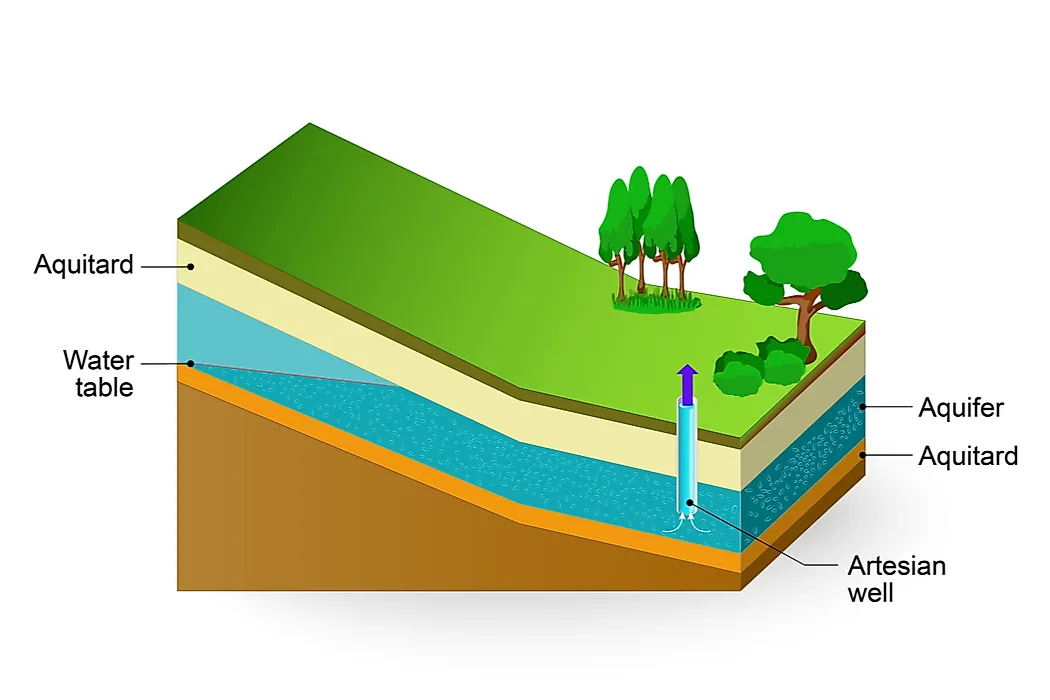
An aquifer is a natural underground formation that holds and transmits usable groundwater. These water-bearing layers supply wells, springs, and municipal drinking water systems, making them one of the most critical natural resources for communities.
Because aquifers sit below the surface, they are not always visible, yet their protection is essential during any industrial or commercial development.
Why Aquifers Matter in Construction Projects
When planning projects that involve underground storage tanks or fuel-handling infrastructure, groundwater protection becomes a top priority. Improper design, installation, or maintenance of tanks can lead to leaks that may contaminate nearby water sources.
For this reason, projects near sensitive groundwater areas often require additional engineering controls, environmental reviews, and regulatory approvals before construction can begin.
Regulatory Oversight and Environmental Protection
Environmental agencies closely monitor activities that could pose a risk to drinking water. The United States Environmental Protection Agency places strong emphasis on preventing contamination caused by fuel or chemical releases.
Special attention is given to locations where a single underground water source supplies an entire community, as any pollution event could have widespread consequences.
Role of Experienced Fuel Tank Contractors
Contractors who specialize in fuel storage systems understand how to design installations that comply with environmental requirements. This includes proper site selection, engineered backfill systems, leak detection methods, and adherence to approval processes.
Experienced professionals can help businesses navigate permits, environmental assessments, and inspections, reducing delays while ensuring compliance with groundwater protection standards.
Protecting Community Water Sources
Regulations surrounding underground water protection exist to safeguard public health. Businesses, contractors, and regulators all share responsibility for preventing contamination and ensuring long-term water availability.
Careful planning, correct installation practices, and ongoing monitoring are essential steps in protecting underground water resources from industrial risks.
Because contamination can affect drinking water supplies and pose serious health and environmental risks.
Yes, but they usually require stricter regulations, advanced engineering, and environmental approvals.
Federal and state environmental agencies regulate activities that could impact underground water systems.
Qualified contractors ensure installations meet engineering standards and regulatory requirements.
Cleanup can be costly, approvals may be revoked, and communities may lose access to safe drinking water.