


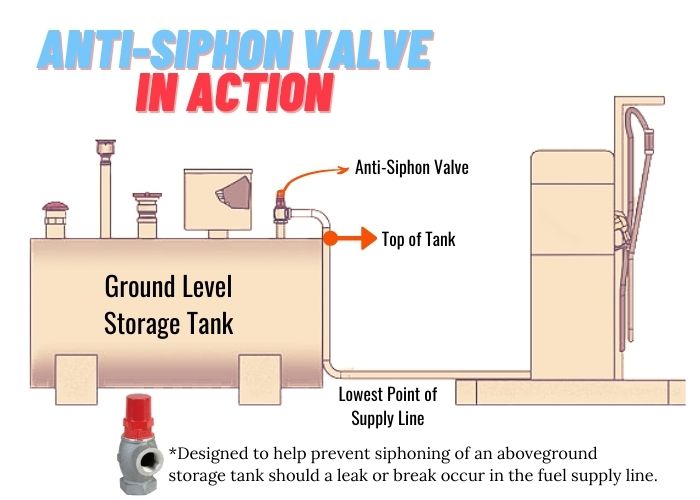
An Anti Siphon Valve is a safety device installed on storage tanks and pipelines to prevent accidental fluid flow or leakage. It is commonly used in systems where the liquid level in the tank is higher than the dispenser or pipeline, creating a risk of gravity-driven siphoning. Stopping the unintentional flow ensures safe and controlled handling of liquids.
These valves are essential in industries that store or transfer fuels, chemicals, or other hazardous liquids. They are often mounted at ground-level tanks, on pipelines, or near dispensers to provide a reliable shutoff mechanism that activates only when fluid transfer is intended.
How Anti Siphon Valves Work
An anti siphon valve works by automatically blocking the flow of liquid until a deliberate action, such as activating a pump, is performed. There are different types of mechanisms used:
- Solenoid-Controlled Valves: Operate electromagnetically. The valve opens when the pump is running and closes when it stops.
- Spring-Loaded Valves: Remain closed under normal conditions and open only when positive fluid pressure is applied.
- Manual Override Options: In specialized applications, such as offshore installations, valves can be manually controlled for maintenance or emergency operations.
By design, the anti siphon valve prevents gravity from siphoning liquid through the pipes and ensures the system operates only under controlled conditions.
Applications
Anti siphon valves are widely used in various industries, including:
- Fuel Storage: Prevents gasoline diesel, or other fuels from unintentionally flowing from tanks to dispensers.
- Chemical Storage: Ensures safe containment of chemicals in pipelines and storage tanks.
- Fluid Transfer Systems: Used in loading arms and transfer lines to stop accidental discharge.
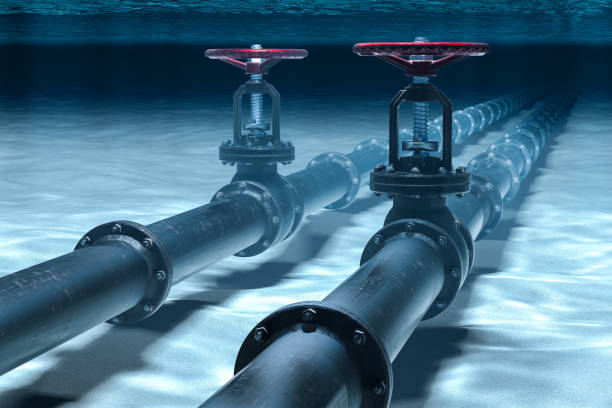
- Offshore and Marine Installations: Underwater or remote valves with electronic or manual control to prevent leaks during transfer operations.
Benefits
- Prevents accidental fluid leakage from tanks and pipelines.
- Maintains safe operation of fuel and chemical storage systems.
- Reduces risk of spills and environmental hazards.
- Ensures flow only occurs when the pump or system is intentionally activated.
By using anti siphon valves, facilities can improve operational safety, maintain compliance with industry standards, and protect workers and the environment from unintended fluid release
It is used to stop the unintentional flow of liquid from storage tanks and pipelines due to gravity.
It remains closed under normal conditions and opens only when the system is activated, either by a pump or a controlled mechanism.
They are installed in fuel tanks, chemical storage tanks, pipelines, loading arms, and sometimes offshore fluid transfer systems.
They prevent accidental spills, improve workplace safety, and ensure controlled fluid transfer operations.