


An analog device or analog technology consists of a machine with a media readout that provides continuous, interpretable data about the machine’s operation and output. Unlike digital systems that display discrete values, it offer a smooth, real-time measurement of performance.
How Analog Devices Work
- Most analog devices rely on mechanical linkages to transmit information.
- Example: Older car odometers used a mechanical counter linked to the wheels’ rotation to measure distance traveled.
- Another example is a mechanical alarm clock, where a wound spring powers the clock and the hands display time continuously.
Analog Devices vs Digital Devices
| Feature | Analog Device | Digital Device |
|---|---|---|
| Data Output | Continuous | Discrete / Numerical |
| Power Dependency | Often mechanical; works without electricity | Requires electrical power |
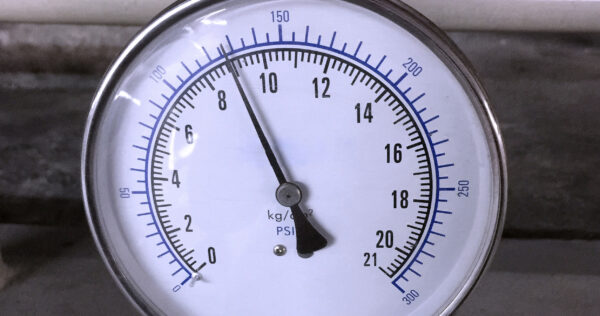
| Examples | Pressure gauges, dispensing meters, scales, mechanical clocks | Digital timers, electronic scales, digital odometers |
| Advantages | Backup during power outages, reliable in harsh industrial settings | Easy integration with software, precise numerical output |
Industrial Applications
- Oil depots: Analog pressure gauges provide real-time monitoring of pipelines and tanks.
- Power plants: Mechanical gauges and meters ensure system reliability, even during power outages.
- Fluid transfer systems: Analog loading arms, skids, and transloaders often rely on continuous measurement for accurate operation.
These devices remain relevant in modern industries due to their simplicity, reliability, and backup capability.
This is a machine or system that provides continuous data output about its operation, often through mechanical or physical linkages.
Analog provides continuous readings, while digital devices display discrete, numerical values. Analog often works without electricity, unlike digital systems.
Yes, especially in industrial applications, oil depots, and power plants, where reliability and backup systems are critical.
Many of them now have digital versions, but analog systems are still valued for backup operation during outages.
Pressure gauges, dispensing meters, scales, fluid transfer arms, and transloaders are standard analog tools in industrial settings.