


Any fuel source that does not come from petroleum, propane, or natural gas is considered an alternative energy option. These fuels are developed to reduce reliance on traditional fossil sources and support cleaner, more sustainable energy systems.
Common examples include fuels made from biological materials, stored electricity, hydrogen, non-fossil methane, biodiesel, vegetable oils, and algae-based energy sources.
Types of Non-Traditional Fuel Sources
Several energy sources fall under this category, including:
- Biomass-based fuels such as biodiesel and algae fuel
- Stored electricity used in electric vehicles
- Hydrogen used in fuel cells
- Methane derived from non-fossil sources
- Vegetable oils used for combustion or processing
Each option is designed to provide energy while reducing environmental impact.
Storage and Delivery Challenges
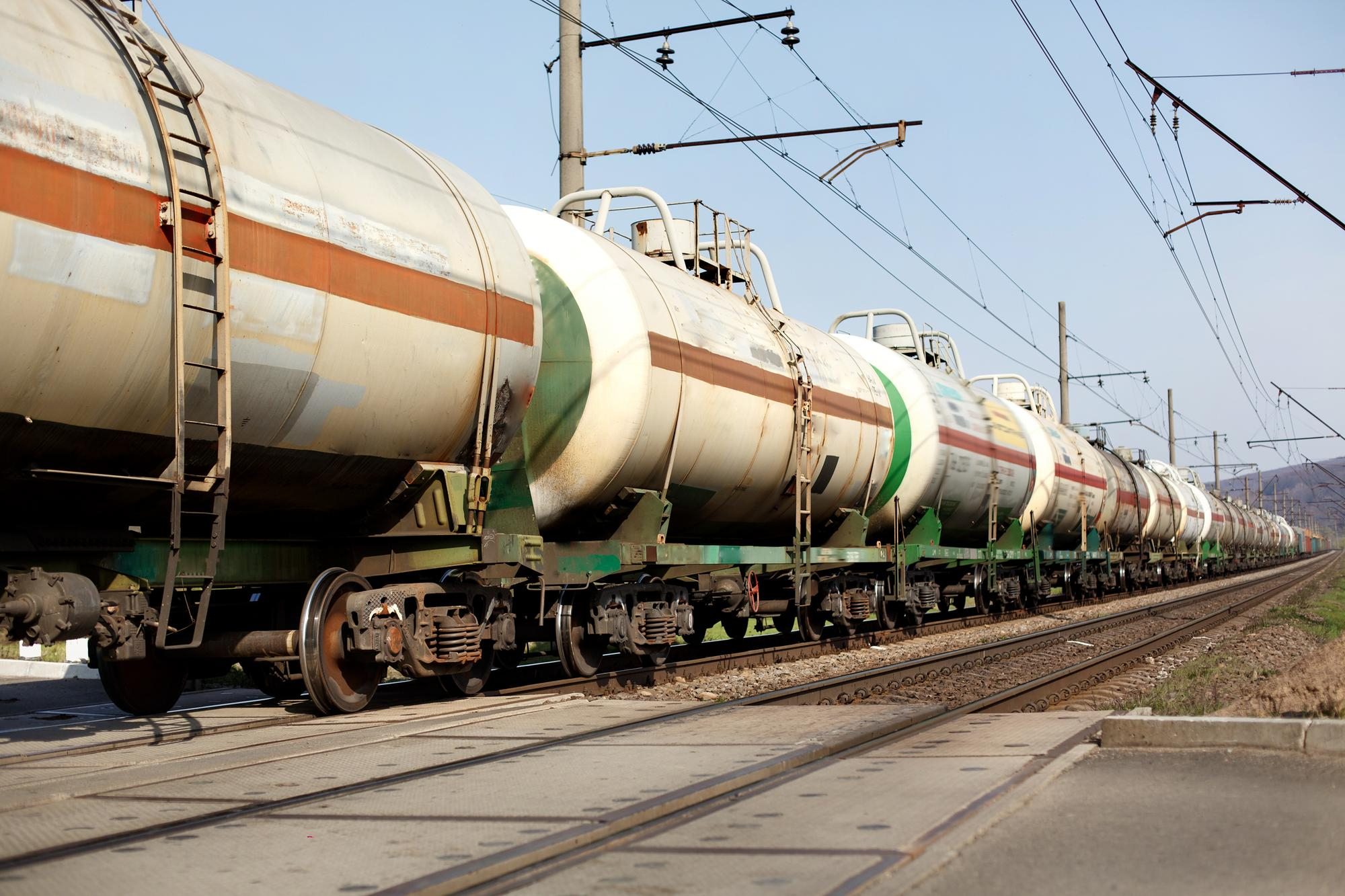
One of the biggest industry goals is the ability to store and deliver these fuels safely and reliably. Energy sources must remain stable during storage and transport to be useful at scale.
Extracting full potential from these fuels, both now and in the future, requires innovation in storage systems, infrastructure, and distribution networks.
Role in Heat and Power Generation
These energy sources are increasingly being used to generate heat and electricity. In many cases, they are positioned as replacements for conventional fossil-based fuels in residential, commercial, and industrial applications.
As technology improves, their efficiency and reliability continue to increase.
Industry Adoption and Growth
Several industries are driving this transition, including:
- Automotive and transportation
- Power generation
- Residential energy systems
Most major automobile manufacturers now offer electric or hybrid vehicles powered by stored electricity. Governments are also supporting the shift through subsidy programs for solar panel installations and renewable energy adoption.
Many municipalities have installed large wind turbines that generate electricity and sell it back to utility companies.
Environmental and Economic Drivers
Global concern about climate change is accelerating the shift toward cleaner energy sources. Reducing carbon emissions and greenhouse gases is a major objective behind this transition.
Another critical factor is the potential scarcity of fossil fuels. Limited availability and geopolitical risks can impact fuel prices and economic stability. Expanding energy choices helps reduce dependency on a small number of traditional fuel sources.
A competitive energy market with multiple options offers long-term economic and environmental benefits.
Any fuel that does not rely on petroleum, propane, or natural gas.
Yes. Stored electricity used in electric and hybrid vehicles is a major part of the transition.
To reduce emissions, improve energy security, and promote sustainability.
Some can replace them in specific applications, while others are part of a mixed energy future.