


Additions and modifications refer to changes made to a structure, system, or component (SSC) for reasons other than increasing resistance to natural phenomena hazards. This definition aligns with guidance issued by the U.S. Department of Energy.
These changes may involve physical updates, equipment upgrades, or system adjustments intended to improve functionality, accessibility, or operational safety.
Role in Workplace Safety and Compliance
In industrial environments, updates to existing systems are often necessary to maintain safe working conditions. Thoughtfully planned improvements can help reduce hazards, support safe workflows, and align facilities with current regulatory expectations.
When implemented correctly, such changes support ongoing compliance with OSHA standards by addressing evolving operational risks and safety needs.
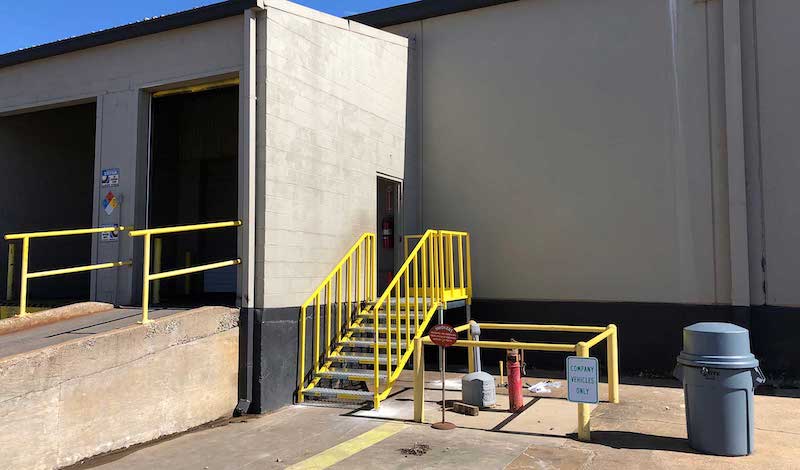
Common Examples in Industrial Settings
Typical improvements may include installing fixed ladders, upgrading handrails, improving loading systems, or adjusting access points. These changes are often driven by safety audits, operational reviews, or changes in how a facility is used.
Well-designed updates help protect workers while supporting efficient day-to-day operations across a wide range of industrial applications.
They are changes made to existing systems or structures to improve functionality or safety, excluding upgrades related to natural hazard resistance.
While not always mandatory, many improvements help facilities meet or maintain compliance with OSHA safety expectations.
Safety managers, engineers, or compliance teams typically evaluate risks and determine when updates are necessary.
No. Some changes involve adjustments, reinforcements, or layout improvements rather than entirely new installations.
They reduce exposure to hazards and support safer access, movement, and task performance in industrial environments.