


Accident analyses are structured evaluations used in workplace safety programs to examine potential design-basis incidents that could reasonably occur during operations. These evaluations are typically documented within a formal safety analysis report and used as part of employee safety training and risk planning.
For regulatory alignment, accident analyses focus on credible scenarios that define system limits, operational safeguards, and required controls.
Role of Accident Analyses in Safety Programs
A well-developed safety program relies on documented evaluations to identify hazards before incidents occur. Accident analyses help organizations understand where failures may happen and what protective measures are needed to reduce risk.
These evaluations support compliance with guidance such as DOE O 5480.21, issued by the Department of Energy, and are commonly used in industrial, manufacturing, and energy-related environments.
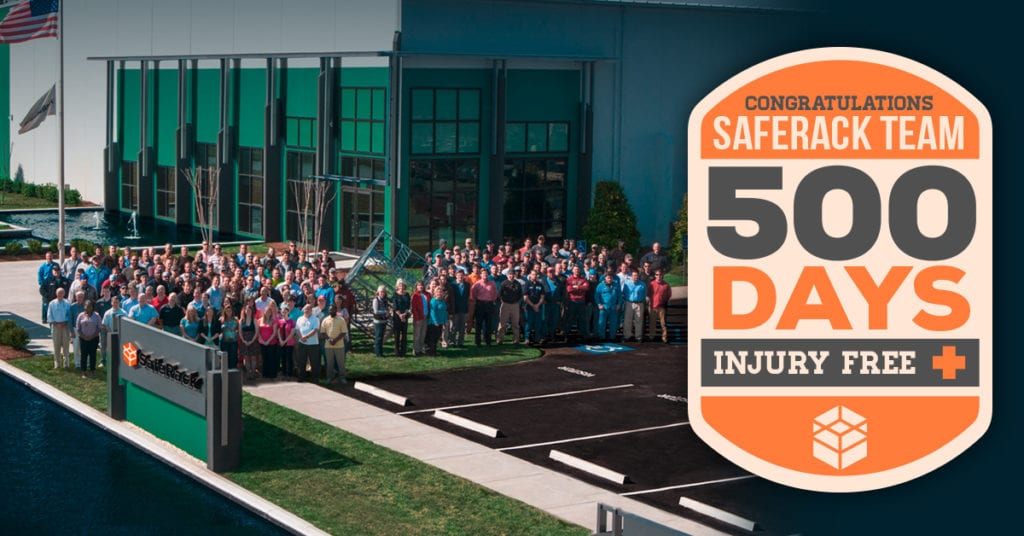
Why This Analyses Matter
Implementing a structured safety framework that includes formal evaluations can significantly reduce workplace incidents. Companies that proactively assess risks often experience fewer disruptions, lower incident-related costs, and improved employee confidence.
A disciplined approach to safety planning ultimately saves time and money while strengthening operational reliability.
They are used to evaluate credible incident scenarios and define safety controls within a formal safety program.
No. These evaluations are conducted proactively, while investigations occur after an incident has happened.
They are usually developed by safety professionals, engineers, or compliance teams as part of a safety analysis report.
They are usually developed by safety professionals, engineers, or compliance teams as part of a safety analysis report.
They help identify hazards in advance, improving training effectiveness and reducing exposure to risk.